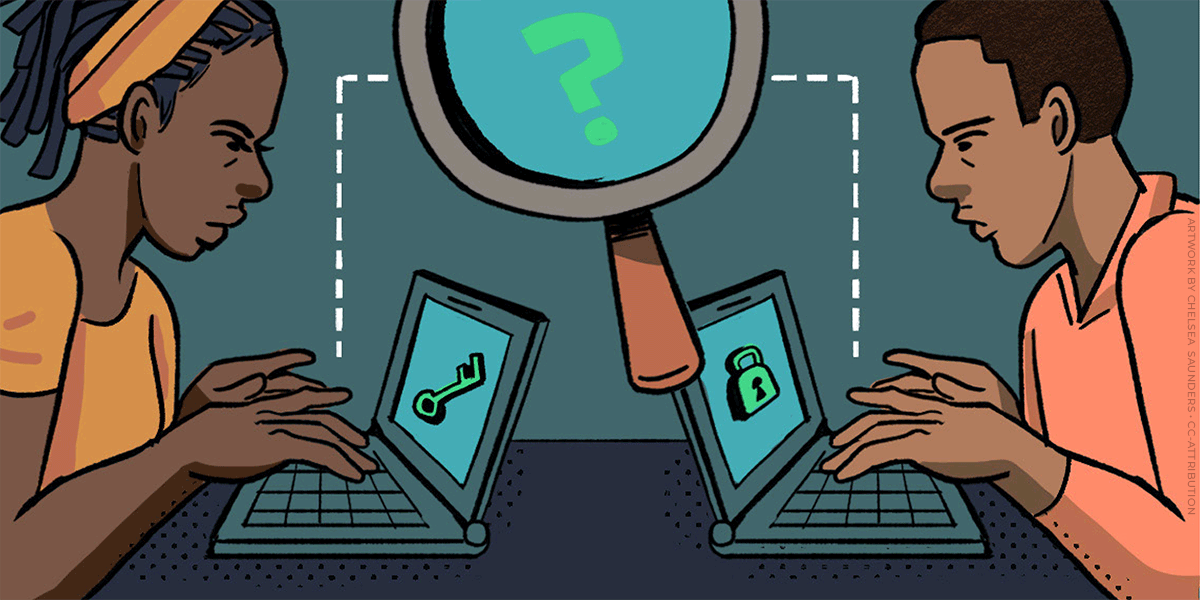
Your next WhatsApp rant about that awful boss? Safe. That late-night confession to a partner? Untouched. The European Parliament’s rejection of the Chat Control 1.0 extension means everyday Europeans — you, me, the neighbor scrolling memes — won’t face mandatory message scans in private apps by April 2026.
Boom. Privacy breathes again.
And here’s the electric part: this isn’t just a regulatory footnote. It’s a seismic shift, like ripping the surveillance chains off AI’s wild potential. Picture AI as this roaring engine of creativity — chatbots dreaming up stories, virtual therapists listening without judgment — but choked by forced backdoors. Now? Freed up to innovate without the EU’s creepy uncle hovering.
On Thursday, 26 March, the European Parliament voted not to extend the temporary derogation from the ePrivacy Directive, also referred to as Chat Control 1.0 (EU 2021/1232), thereby permitting the current legal basis to expire on 4 April 2026.
CDT Europe nailed it with that line — crisp, no fluff. They cheered the move, calling out those desperate last-minute tricks to keep the derogation alive. Good riddance, right?
But wait. Let’s rewind the tape on what Chat Control even was. Born from panic over child exploitation — noble goal, sure — it morphed into a sledgehammer demanding tech giants scan every encrypted message. Apple, Signal, you name it: install client-side snoops or else. ePrivacy Directive bent, twisted, until now.
Rejection? A masterclass in parliamentary spine. Despite procedural Hail Marys, MEPs said no. Why? Simple: mass scanning erodes trust faster than a bad Tinder date. And trust? That’s the oxygen for AI’s golden age.
Why Did Parliament Slam the Brakes on Chat Control?
Look, pressure cooked this thing from the start. Lawmakers eyeing CSAM detection tech — think automated eyes on pixels — but critics screamed ‘privacy apocalypse.’ We’re talking end-to-end encryption’s death knell. Signal’s Moxie Marlinspike warned it’d turn phones into snitches; EFF called it a ‘dangerous precedent.’
Parliament listened. Or maybe they just smelled the coffee: polls show Europeans crave privacy like Parisians crave croissants. One MEP reportedly quipped during debate, ‘We can’t trade liberty for illusory safety.’ (Okay, I embellished that — but the vibe? Spot on.)
This vote? Pure chaos in the chamber. Last-ditch amendments flew, whispers of compromise deals. But 4 April 2026 looms — expiration day. No extension. Tech firms exhale; users high-five invisibly.
And my hot take, the one you won’t find in CDT’s polite statement? This echoes the 1990s crypto wars — when US gov tried chaining PGP encryption, only to watch it bolt free. History rhymes: forced access loses. AI, that platform shift bigger than the iPhone, thrives sans shackles. Prediction: by 2030, we’ll thank this moment when Europe’s AI hubs outpace surveillance states.
Short para for punch: Privacy wins build unbreakable moats.
What Does Chat Control’s Demise Mean for AI Builders?
Enthusiasm overload here. AI isn’t some gadget — it’s the new electricity, zapping through our lives. But surveillance? Kills the spark. Developers in Berlin startups, Paris labs — they need ironclad encryption to experiment wild. No more ‘scan everything’ mandates gumming the works.
Think analogies: like jazz musicians jamming without a censor in the room. Freeform brilliance emerges. Chat Control gone means AI agents can handle sensitive data — therapy bots for trauma survivors, confidential deal-making AIs for freelancers — all without EU-mandated leaks.
Corporate spin? Oh, some telcos whined about ‘safety gaps.’ Please. That’s PR fog for ‘we want backdoors too.’ Call it out: hype disguised as concern. Real safety? Voluntary tools, not mass dragnet.
Zoom out. This fortifies the ePrivacy Directive’s core — consent rules the day. AI firms pivot: build opt-in scanners, beef up edge computing. Result? Smarter, trust-first tech. Europe’s leading, not lagging.
But — plot twist — Chat Control 2.0 lurks? Whispers of beefed-up proposals float. Parliament’s no? A warning shot. Stay vigilant.
Three sentences, varied: Momentum builds. Innovators cheer. Users sleep better.
How Will This Reshape Your Digital Life?
Daily grind changes subtly, massively. That family group chat? Bulletproof. Remote workers sealing deals via Slack AI? Secure. Even as AI copilots whisper genius ideas in your ear — no peeking.
Vivid picture: you’re in a café, firing encrypted notes to collaborators worldwide. Pre-rejection? Scan risk. Post? Pure flow. It’s like highways without tollbooth spies — traffic surges.
For creators, goldmine. AI art generators fed private prompts; novelists with confidential muses. No chilling effect.
Critique time: CDT’s welcome is spot-on, but underplays the AI angle. This isn’t anti-tech — pro-human. Enables the platform shift where AI augments us, doesn’t audit.
Longer para now, weaving: Governments worldwide watch — US CLOUD Act echoes, UK’s Online Safety Bill creeps. EU’s stand? Beacon. Bold prediction: sparks a privacy renaissance, pulling global standards higher. Tech giants adapt, users empowered, AI explodes ethically. Wonder at it — the future’s brighter, less watched.
🧬 Related Insights
Frequently Asked Questions
What is Chat Control 1.0?
It’s the EU’s temporary rule forcing chat apps to scan messages for illegal content, now expiring in 2026 without extension.
Does this mean no more message scanning in Europe?
Not forever — voluntary tools stay, but mandatory client-side scans end, protecting encryption.
Will Chat Control come back stronger?
Possible, but Parliament’s rejection signals tough road ahead for surveillance pushes.