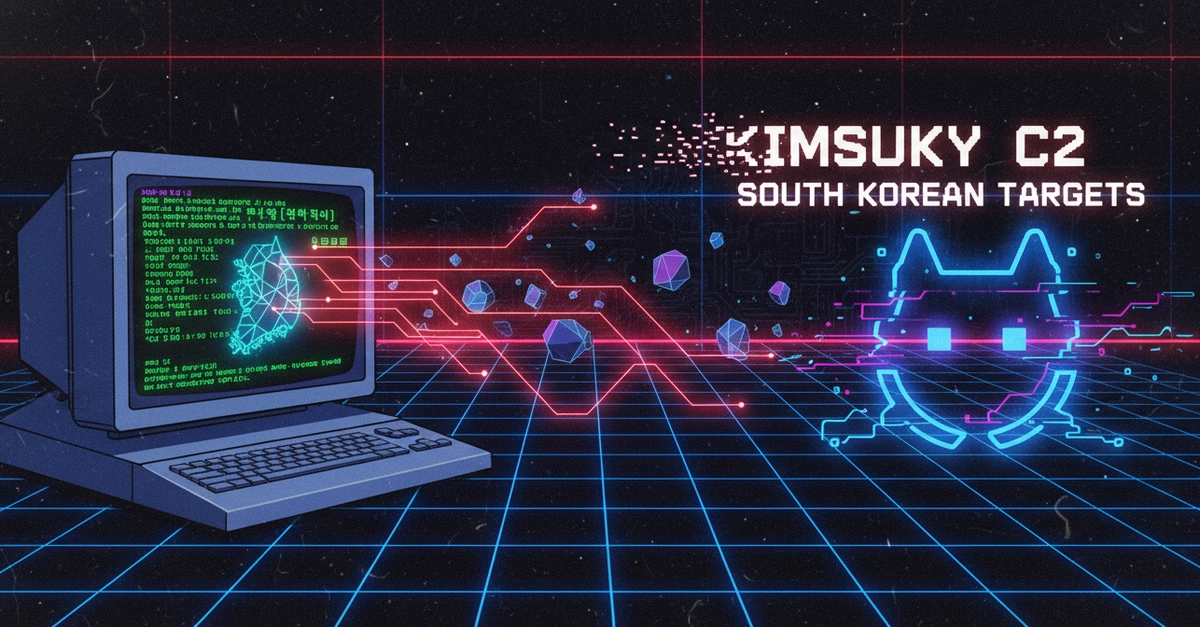
Your next phishing email might not just steal credentials. It could turn GitHub—the playground for developers worldwide—into a North Korean command post, silently profiling your machine and phoning home with your secrets.
DPRK-linked hackers. They’re not blasting fireworks with flashy malware anymore. No, these ops, tied to groups like Kimsuky and ScarCruft, weaponize trust in platforms we all rely on. Real people? Think South Korean execs opening what looks like a routine PDF, unaware their endpoint’s now a puppet for Pyongyang’s cyber ops. But it doesn’t stop there—devs everywhere stash code on GitHub, and this abuse erodes that safety net, making every repo a potential risk.
Here’s the thing. Fortinet’s FortiGuard Labs spotted this multi-stage chain starting with obfuscated Windows LNK files, slung via phishing. Click it, and boom: a decoy PDF pops up to play nice, while a PowerShell script slithers in the background.
How Does This GitHub C2 Sneak Past Defenses?
That PowerShell? Smart little beast. First, it sniffs for VM sandboxes, debuggers, forensic tools—anything screaming ‘analysis.’ Spot ‘em? It ghosts. Otherwise, it unpacks a VBScript, plants a scheduled task to relaunch every 30 minutes (hidden window, of course), ensuring boot-time persistence.
Then the real fun. It profiles your host—OS details, hardware, the works—dumps to a log, exfils it to a GitHub repo under sketchy accounts like “motoralis,” “God0808RAMA,” or “brandonleeodd93-blip.” Hard-coded token? Check. Blends right in with legit devs.
But wait. The script doesn’t stop. It parses a file in that repo for fresh modules or commands. Operators tweak from afar, all while GitHub’s rep as a benign code host shields the traffic. No suspicious domains, no bulletproof hosting—just everyday HTTPS to github.com.
“Instead of depending on complex custom malware, the threat actor uses native Windows tools for deployment, evasion, and persistence,” security researcher Cara Lin said. “By minimizing the use of dropped PE files and leveraging LolBins, the attacker can target a broad audience with a low detection rate.”
LolBins—living off the land binaries. PowerShell, schtasks, all stock Windows. Detection? Nightmare fuel for EDRs tuned to exotic payloads.
This isn’t DPRK’s first rodeo with cloud abuse. Last year, ENKI and Trellix called out Kimsuky using GitHub for Xeno RAT and MoonPeak. Now it’s evolved: LNKs drop persistence, GitHub handles C2. AhnLab’s got a parallel chain—LNK to PowerShell to Dropbox C2, then Python backdoor from quickcon[.]store ZIP fragments. ScarCruft? Switched to HWP docs with OLE-embedded RokRAT via DLL side-loading.
South Korea’s the bullseye—government, finance, defense. Why? Geopolitics 101: eternal foe, tech powerhouse. But the architecture shift? That’s my unique angle here. Remember Stuxnet’s air-gapped wizardry? DPRK’s flipping to cloud-native persistence, mirroring how legit devs went serverless. It’s not just evasion; it’s architectural mimicry. Hackers now build like startups—agile, repo-driven ops. Predict this: we’ll see Azure, GitLab next, normalizing ‘devsecops’ blind spots into state-sponsored arsenals.
Why Target South Korea—and Could This Hit Your Org Next?
Pyongyang’s hurting for cash. Crypto heists, now corporate espionage. South Korea? Samsung, Hyundai—juicy IP. But peel back: these chains target Windows ubiquity, phishing’s low bar. Any org with remote workers? Vulnerable.
Take AhnLab’s variant. LNK fakes HWP docs (Korean staple), stages in “C:\windirr,” persistence via XML tasks, Python backdoor fetching shell cmds, file ops, EXEs. Dropbox C2 this time—same cloud-trust play.
S2W nails ScarCruft’s pivot: from LNK-BAT to HWP-OLE droppers for RokRAT shellcode. “Unlike previous attack chains that progressed from LNK-dropped BAT scripts to shellcode, this case confirms the use of newly developed dropper and downloader malware,” they note.
And corporate spin? Fortinet’s report smells urgent, but GitHub’s response? Crickets so far (as of this writing). They suspend repos reactively—too late for proactive defense. Here’s the critique: platforms tout ‘trust and safety’ teams, yet nation-states game the system because takedowns lag attribution.
Short para for punch: Detection lags. Always.
Now, the why beneath the how. DPRK’s not sloppy— this is deliberate devolution to primitives. Why build malware when Windows is your arsenal? Persistence via schtasks? Genius. Exfil to GitHub? Traffic drowns in noise. It’s supply-chain mimicry, echoing SolarWinds but grassroots. Historical parallel: Fancy Bear’s DNC hacks used Google Drive. Same playbook, escalated.
For real people—admins, devs—scan your repos. Hunt anomalous commits, token leaks. EDRs? Tune for PowerShell beacons to github.com. Orgs: phishing sims with LNKs, now. But bigger: this forces a rethink. GitHub’s not ‘safe’ anymore; it’s contested turf.
Bold prediction. By 2025, nation-states standardize cloud C2 frameworks—open-source ironically. Detection arms race? Defenders lose unless platforms bake in behavioral C2 blocks.
🧬 Related Insights
- Read more: Drift Protocol’s $280M Governance Hijack Exposes DeFi’s Multisig Weak Spot
- Read more: 0ktapus Phishing Snags 10,000 Credentials Across 130 Companies—Your MFA Is the Weak Link
Frequently Asked Questions
What is GitHub C2 and how do DPRK hackers use it?
GitHub C2 turns repos into command servers: exfil data via uploads, fetch cmds via file parses. DPRK hides in plain sight with throwaway accounts and tokens.
How can I protect against LNK phishing from North Korean groups?
Block LNK macros in email gateways, train on HWP fakes, monitor PowerShell to cloud domains. Hunt for schtasks with hidden flags.
Are these attacks only targeting South Korea?
No—techniques are generic. Windows + phishing = global risk, especially finance/tech.