Everyone figured UX designers would forever haunt the Figma purgatory—dreaming up killer interfaces, only to hand them off to devs like reluctant relay runners. Ideas? Plenty. Execution? Crickets.
But here’s the thunderclap: a single UX designer just blasted through that wall, crafting dotafury.gg, a slick Dota 2 analytics platform, using AI as his hammer and forge. No dev team. No budgets. Just prompts, persistence, and a dawning realization that AI isn’t magic—it’s a platform shift, like electricity flipping farms from lanterns to floodlights.
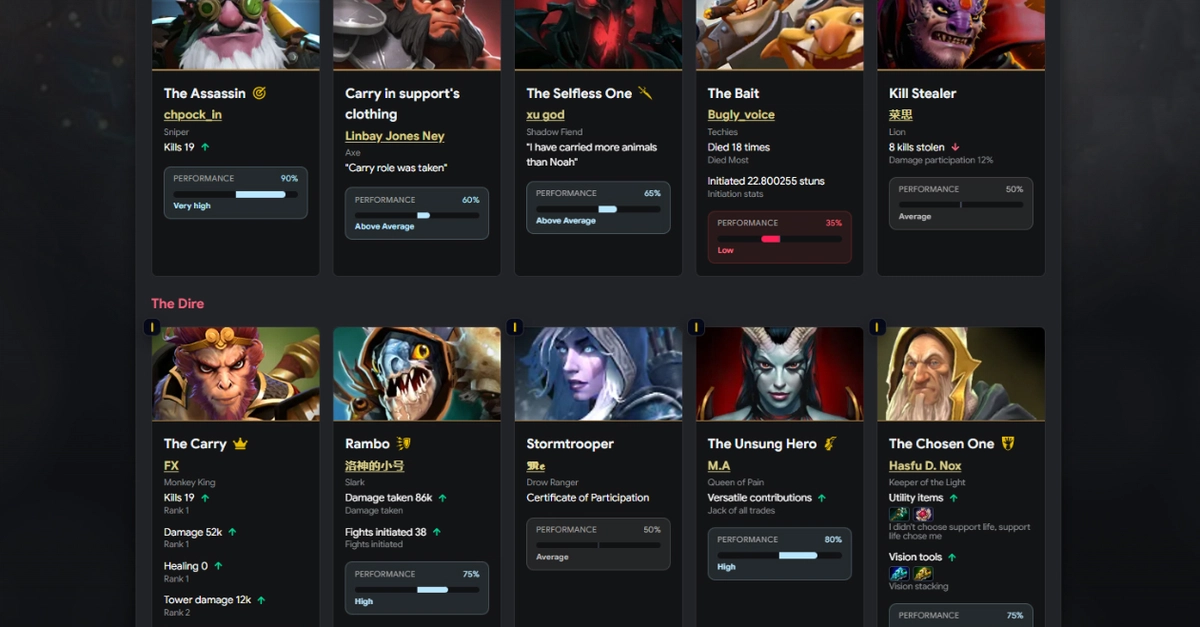
Look, Dota 2 fans know the grind: chasing MMR, dissecting replays, craving stats that cut through the chaos. Dotafury.gg delivers—player performance breakdowns, match histories, all zipped into intuitive dashboards. What flips the script? It’s not the game data. It’s the builder.
From Figma Phantom to AI Architect
He started simple. ‘Build this page.’ Boom—AI spat out components. Felt like wizardry. A three-word spell, and suddenly he’s staring at live HTML.
But magic sours fast. Duplicated code piled up like unwashed dishes. Logic tangled worse than a losing team’s mid-game. That’s when the real work kicked in—that gritty pivot from ‘gimme features’ to ‘what’s the damn system?’.
For years, I lived in this gap: I could design systems, I could imagine flows, I could see product opportunities. But I couldn’t fully build them.
Pull that quote from his raw confession, and you feel the ache. We’ve all been there—or watched friends drown in it.
He locked into layers: UI on top, services humming below, integrations bolted at the base. No skipping stairs. First, scaffold the data service. Cache like a miser. Only then, drape the UI. AI became collaborator—fed constraints, context, boundaries. Refactor this. Validate that. Small, scoped bites.
Messy? Hell yes. Rethinks. Rebuilds. Undos. Sometimes the bug wasn’t bits—it was fuzzy thinking upstream. UX chops shone here: flows he’d mapped in wireframes became API guards against edge cases. User intent? Baked into every service call.
And wow—the payoff. Ideas don’t die in docs anymore. They ship.
This isn’t just one guy’s win. It’s a flare signaling the UX-AI fusion: designers, long the visionaries, now wielding execution like a superpower. Picture the 90s web boom—graphic artists grabbed HTML editors and became site-builders overnight. AI? That’s the Photoshop-for-code moment, but turbocharged. My bold call: within two years, half the indie SaaS tools you love will trace roots to a designer who dared prompt.
Why Did AI Amplify His Weaknesses First?
Speed seduces. AI cranks out ‘vibe code’—that quick-and-dirty rush that feels productive until scale sneers.
He learned the hard way: working code ain’t a system. It’s a house of cards in a fan factory. So he flipped the script. Asked about ownership—who owns the player stats fetch? Caching layers? API throttling? Turned AI from genie to engineer.
Analogy time: think of AI like a drag racer. Thrilling off the line, but without chassis and brakes, you’re scrap at mile two. He built the car first.
Dotafury.gg breathes this discipline. Dive in—search a pro player’s handle. Stats cascade: win rates, hero pools, KDA trends. Smooth. No jank. That’s structure winning.
But here’s my unique jab at the hype machine: companies peddle AI as ‘code for all!’—zero friction, instant apps. Bull. This story exposes the spin. AI exposes your gaps, doesn’t fill ‘em. No structure? You’re amplifying chaos at lightspeed. His win? He owned the mess, wrestled it into form. That’s the real platform shift—not effortless, but empowering for thinkers who iterate.
Can Non-Devs Really Build Like This Now?
Short answer: yes, if you’re obsessive about systems.
He didn’t become a 10x coder. Didn’t need to. UX translated: edge cases he’d obsess over in prototypes became runtime checks. System behavior? He’d simulated user flows; now he coded ‘em.
Surprise insight—AI as mirror. It laid bare unclear thinking. Vague prompt? Vague vomit of code. Crisp layers? Crisp builds.
For Dota 2 diehards, dotafury.gg isn’t vaporware. It’s live, evolving. Check Kunkka’s win spikes post-patch 7.35. Real data, real edge.
Prediction: this sparks a wave. UX folks, tired of dev queues, will flood indie tools—gaming analytics first, then CRM dashboards, fitness trackers. AI lowers the moat, but structure raises the castle.
Small steps crushed big bangs. No ‘build the whole app’ epics. Scaffold. Refactor. Ship increment.
The AI Dev Revolution: UX Leads the Charge
Forget the coder supremacy myth. This is execution unlocked.
Before: idea → Figma → dev backlog → maybe someday.
Now: idea → prompt layers → test → ship today.
AI doesn’t replace thinking—it turbocharges it. Vibe coding starts parties; systems throw symphonies.
Dotafury.gg? Proof in the pixel. Still raw, still iterating. But real. That’s the wonder—solo human plus AI equals shipped reality.
Energizing, right? The future’s not devs-only. It’s creators unshackled.
🧬 Related Insights
- Read more: Zero AWS Experience to CLF-C02 Certified: The Cloud Door Just Opened for You
- Read more: Claude Code’s Memory Gamble: 250ms LLM Queries Trump Vector DBs
Frequently Asked Questions
What is dotafury.gg?
A Dota 2 analytics platform tracking player stats, match performance, and trends—built solo by a UX designer using AI.
Can UX designers build full apps with AI?
Yes, but only with strict structure: layers, caching, scoped tasks. Skip that, and it’s chaos.
How does AI change product building for non-coders?
It adds execution to vision—turning Figma dreams into live systems, exposing weak thinking along the way.