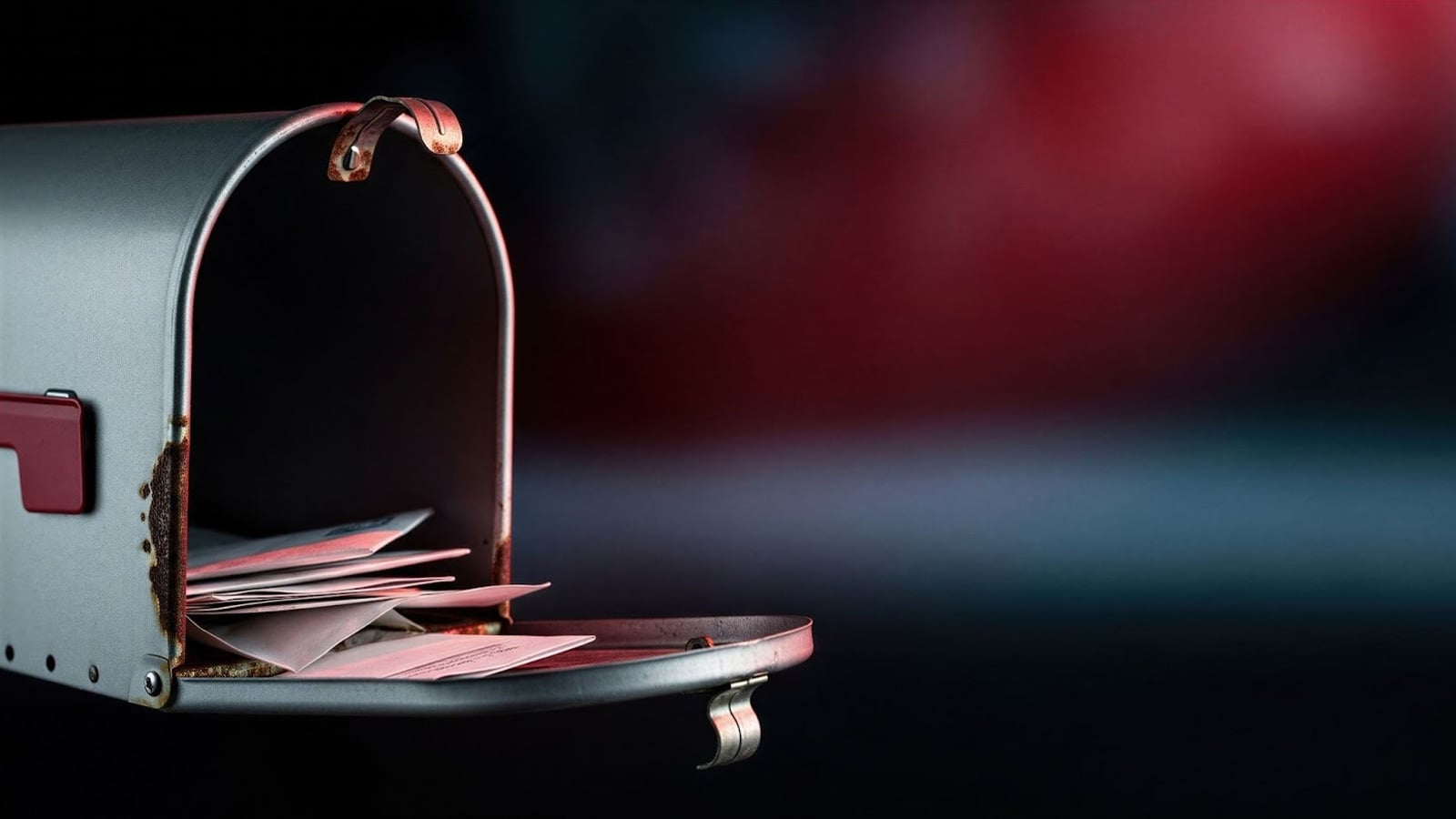
Zillow’s got over 500,000 vacant rental listings nationwide, each one a sitting duck for fraudsters.
And here’s the kicker: these aren’t just empty shells. They’re being flipped into mail-theft machines by cybercrooks who barely touch a keyboard.
Look, we’ve hit a wild pivot in crime. Forget the Hollywood hacker in a dark room. This is hybrid cybercrime at its craftiest—real estate apps, postal previews, a dash of fake IDs. It’s like if pickpockets got GPS and X-ray vision.
I stumbled on this through Flare’s dive into fraud chats, and whoa—it’s a full tutorial, step-by-gory-step, on turning vacant homes into drop addresses for identity heists. Energy surges through these tactics; they’re low-cost, high-yield, and damn near invisible.
Why Empty Houses Are Crime’s New Best Friend
Threat actors prowl sites like Zillow or Rightmove, zeroing in on fresh listings. New on the market? Probably empty, between tenants. Boom—jackpot.
They even hunt stale ads, homes gathering dust for months. (Pro tip from the playbook: mow the lawn, fake some occupancy vibes to dodge nosy neighbors.) It’s physical persistence hacking, analog style.
This isn’t brute force. It’s patient, opportunistic—like a fox circling a henhouse, waiting for the farmer to nod off.
The tutorial begins with identifying so-called “drop addresses”, real residential properties that are temporarily unoccupied and can be used to receive mail without immediately alerting the rightful occupants.
That quote? Straight from the fraud forum bible. Chilling precision.
Once they’ve got the address, it’s showtime with legit postal tools. USPS Informed Delivery—free previews of your incoming mail? Crooks sign up, peer in remotely. Spot a credit card statement? Or that bank verification letter? They pounce.
A single paragraph can’t capture the elegance here. Criminals register, monitor, strike. No malware needed. Just a browser and ballsy nerve.
But wait—address already claimed? No sweat. File a Change of Address (COA). Online, quick as a tweet. Forward everything for weeks, months even. Premium Forwarding bundles it all to their PO box.
Verification? A tiny payment or ID scan. Laughably weak, says the tutorial. Fabricate docs from dark web shops, and you’re golden.
How Do Fraudsters Hijack Mail Without Stepping Foot Inside?
Persistence is the game-changer. After scouting valuables via digital previews, they lock in forwarding. All mail rerouted to their lair.
It’s a workflow of wonders (dark ones): OSINT for targets, postal APIs for intel, logistics for delivery. Scalable? Infinitely. Cost? Pennies.
Picture this analogy—it’s the Uber of mail theft. Real-time tracking, on-demand redirection, zero fingerprints. We’ve gone from phishing emails to phishing postboxes.
And my hot take, the one you won’t find in Flare’s report: this echoes the 1920s ‘Spanish Prisoner’ scams, where cons hooked marks with sob stories and fake checks. Back then, it was letters and telegrams. Now? Apps supercharge it. Bold prediction—AI’s next: bots scraping listings, predicting vacancy via satellite data, auto-filing COAs with forged deepfakes. The hybrid threat explodes.
Fraud forums buzz with playbooks, stolen creds, doc mills. Telegram channels hand ‘em out like candy.
Corporate spin? USPS swears verifications hold. But tutorials laugh that off—inconsistent enforcement, they claim. Hype meets reality; gaps persist.
The Terrifying Scale of This Mailbox Mayhem
One vacant house yields weeks of docs: SSNs, cards, pins. Feed that into account takeovers, loans, you name it.
It’s not isolated. Flare tracks this chatter nonstop—exposure alerts before the hammer drops.
Wander with me here: in a world of passwordless logins and biometrics, why go old-school? Because it works. Digital defenses harden; physical cracks widen.
Short burst: Protect yourself.
Longer truth: Homeowners, renters—check your mail digitally. USPS app, now. Spot weird forwards? Fight back.
Real estate pros? Flag long-vacants. Neighborhood watches? Eye the unkempt.
This futurist sees the shift: cyber-physical fusion as the new battlefield. AI platforms? They’ll amplify, but awareness blunts the edge.
What Happens When Mail Becomes the Weak Link?
Downstream? Pure chaos. Intercepted 2FA codes, loan approvals, tax docs. Victims drained dry, oblivious for months.
The tutorial’s genius — or horror — lies in detection evasion. No alerts ping. Mail just… vanishes.
Enthusiasm tempers to warning: this scales globally. UK’s Rightmove? Same vuln. Europe’s post? Ripe.
Unique angle: it’s the anti-AI crime wave. While we chase LLMs and quantum, basics bite back. Like fighting space lasers with stone knives.
🧬 Related Insights
Frequently Asked Questions
What are drop addresses in fraud? Vacant homes scouted on Zillow for intercepting mail without owners noticing—key to identity theft pipelines.
How do crooks use USPS Informed Delivery for crime? They sign up with the drop address to preview incoming mail digitally, targeting valuables like bank letters before grabbing physically.
Can I stop mail forwarding scams on my address? Monitor USPS Informed Delivery yourself, report suspicious COAs immediately, and use mail holds when away—plus credit freezes for extra armor.
