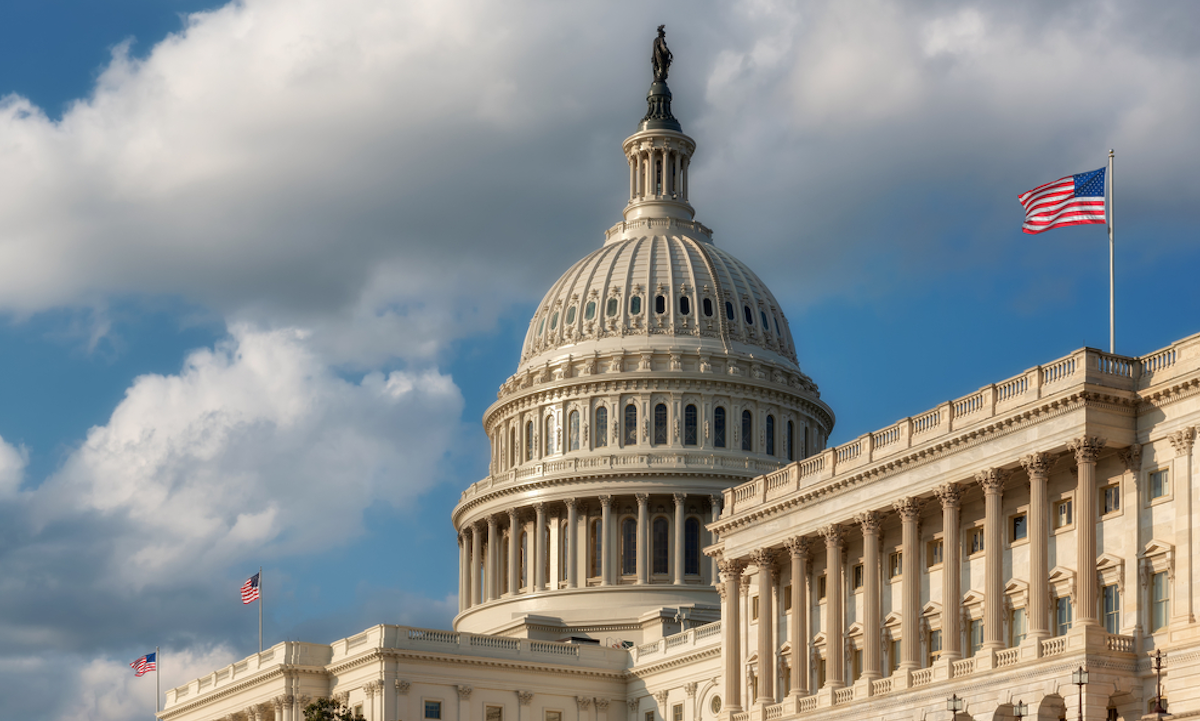
A credit union branch in small-town America, midday rush: members swipe cards, check apps, oblivious to the digital shadows trailing their every transaction.
That’s the scene flipping upside down with credit unions throwing their full weight behind a Gramm-Leach-Bliley Act update—the GLBA privacy bill that’s got lawmakers buzzing. Enacted back in the Clinton days, this 1999 law demands banks and credit unions safeguard your nonpublic personal info: transaction histories, balances, payment trails. But here’s the kicker—it’s creaky, like a flip phone in an iPhone world.
America’s Credit Unions fired off a letter championing the proposal. “This includes a data privacy standard that not only protects their members but also allows credit unions to evolve in how they serve their members,” it reads.
Greg Mesack, their senior VP of advocacy, calls it “important relief.” Think exceptions for data retention flexibility, nods to small shops’ compliance costs, and—big one—preempting patchwork state laws. No more 50-state compliance nightmare.
But. And it’s a sharp but—they’re wary. Expanding GLBA duties solo? That piles on burdens without uniform federal shields across the economy. Credit unions aren’t alone in this fintech jungle; big tech, fintech startups, they’re all slurping financial data too.
Why Are Credit Unions Betting Big on GLBA Overhaul?
Picture the financial world as a vast, stormy ocean. Credit unions? They’re the nimble sailboats dodging hurricanes while Wall Street supertankers bulldoze waves. This bill’s their chance to hoist sails higher—protect members without sinking under red tape.
Rep. Bryan Steil (R-Wis.) nailed it at a recent hearing: the landscape’s “considerably different” from GLBA’s birth. Back then, online banking was sci-fi. Now? AI agents could soon juggle your portfolio, predict your next splurge, all while hackers prowl like digital sharks.
My unique take? This push echoes the early internet’s privacy scramble—remember Netscape’s SSL battles? We’re at a similar inflection: GLBA 2.0 could unlock AI-driven privacy fortresses, where machine learning anonymizes data on-the-fly, letting credit unions personalize without exposing souls. Bold prediction: ignore this, and we’ll see a ‘Privacy Y2K’—fintech freezes as regs clash.
Lawyers like Nathan Taylor from Morrison Foerster argue GLBA’s already “technology neutral.” Aggregators? They’re financial institutions, covered. But crafting privacy rights for a 30-year mortgage? Tricky.
“It can be far harder to craft a workable and meaningful privacy right … with respect to, for example, a consumer’s 30-year mortgage,” he said.
Spot on. Your mortgage isn’t a tweet—it’s a life’s ledger.
Does GLBA Hold Up Against 2024’s Fraud Onslaught?
Fraud’s gone rogue. No longer siloed at checkout; it’s everywhere—account creation, logins, transactions. Elizabeth Wadsworth from Velera drops truth bombs: “We’re in a space where it’s hitting all sides.”
Credit unions are ditching old-school ID checks. Traditional signals? Useless against deepfakes, synthetic identities. Enter decision intelligence—AI fusing biometrics, behavior patterns, device fingerprints into ironclad verification.
But privacy laws lag. GLBA demands protection, yet without updates, credit unions can’t nimbly deploy these tools. State laws? A quilt of contradictions, choking innovation. Federal preemption’s the holy grail here—uniform rules letting AI fraud shields scale nationwide.
Wadsworth’s vision: defenses at every touchpoint. Imagine your app not just logging in, but whispering, ‘This ain’t you—halt.’ That’s the future, powered by privacy that bends, doesn’t break.
Opponents cry burden. Fair. Small credit unions aren’t JPMorgan; compliance eats margins. Yet Mesack’s letter pushes back: relief provisions recognize that. Data retention tweaks mean not hoarding forever—delete smartly, comply efficiently.
Will State Law Chaos Kill Fintech’s Privacy Dream?
Here’s the rub—or the preemption powerhouse. Without federal override, states pile on: California’s CCPA eyes financial data hungrily, others follow. Credit unions face a Babel of rules, stalling AI upgrades.
Steil’s hearing exposed the rift. Witnesses clashed: some want broader rights, others warn of unworkable mandates. Taylor’s tech-neutral stance holds water, but evolution demands more—like opt-outs tailored to AI contexts.
Enthusiastic futurist hat on: this bill’s a portal. AI isn’t the villain; it’s the vault-keeper. With GLBA refreshed, credit unions pioneer personal AI advisors—your digital twin negotiating loans, spotting scams, all data-locked. Ignore it? Fintech fragments, trust erodes, members flee to crypto shadows.
Corporate spin check: Lawmakers tout evolution, but it’s half-measure without economy-wide standards. Credit unions call it out—smart skepticism.
Recent Velera chats highlight the shift. Identity verification? Multi-front war. Fraud detection? Holistic overhaul. Wadsworth: financial institutions must “shore up defenses across each point.”
One punchy truth: GLBA’s update isn’t luxury—it’s oxygen for credit unions breathing in an AI gale.
The Road Ahead: Innovation or Impasse?
Lawmakers mull. Hearings echo divides. Credit unions lobby hard, blending protection with progress.
Wander a bit: remember GLBA’s origin? Post-Glass-Steagall repeal, blending banks-insurance. Now, blend with tech. Success means credit unions lead—member-owned, privacy-first, AI-agile.
Failure? Burden balloons, states splinter, fraud feasts.
🧬 Related Insights
- Read more: What to Watch This Week: Crypto Hacks, AI Agents, and Quantum Alarms
- Read more: Drift’s $280M Solana Hack Freezes Largest Perps Exchange as Attack Rages On
Frequently Asked Questions
What is the Gramm-Leach-Bliley Act update?
It’s a proposed refresh to 1999’s GLBA, beefing up financial data protections with flexibility for modern ops like AI tools, while preempting state laws.
Why do credit unions support GLBA privacy bill?
To shield member data from breaches and fraud, gain compliance relief, and evolve services without 50-state headaches—key for small players.
Will GLBA changes stop banking fraud?
Not alone—they enable better AI defenses across account creation to transactions, but need full federal rollout for max impact.
Dive deeper? Watch hearings, track bills. Fintech’s future hangs on this pivot.