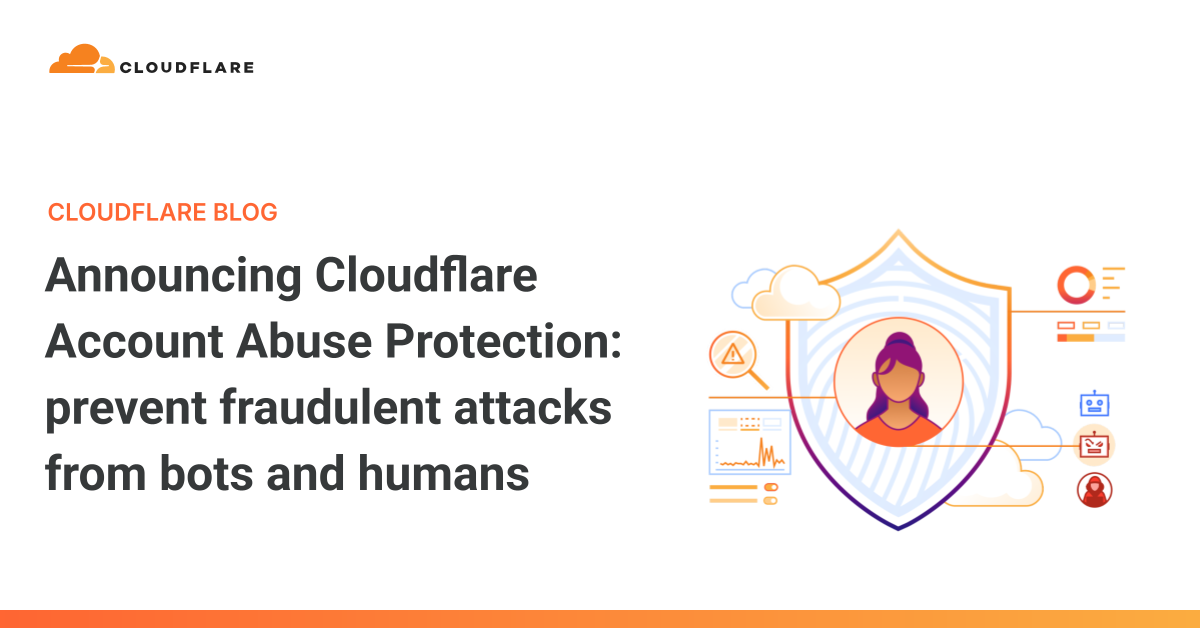
Hybrid fraud is here. Cloudflare Account Abuse Protection just declared war.
And it’s about time. We’ve watched bots evolve into something nastier: teams of scripted attacks laced with human smarts, hopping logins from New York to London in minutes. Cloudflare’s dropping this suite today—disposable email checks, risky email flags, hashed user IDs, plus beefed-up leaked credential and account takeover detection. All aimed at one goal: kill fake accounts before they spawn.
Look, the numbers don’t lie. Last year, 41% of logins across Cloudflare’s network flashed leaked credentials. That’s not a glitch; it’s a crisis, ballooning after that 16-billion-record dump and fresh breaches. Users recycle passwords like yesterday’s news— one old leak cracks your retail site or bank today. Their free leaked credential check hashes passwords (no plaintext snooping), scans breach databases, and flags the bad ones. Smart, privacy-safe move.
Why Leaked Credentials Still Rule Account Fraud
Bots don’t guess; they brute-force leaks at scale. Black Friday 2024? Over 60% of login traffic was automated bombardment. Cloudflare’s now layering account takeover (ATO) detections—per-customer behavioral anomalies—right into the Security Analytics dashboard. Last week alone, they nabbed 6.9 billion suspicious logins daily network-wide.
The core question in this case is not “Is this automated?” but rather “Is this authentic?”
That’s Cloudflare’s mic-drop from the announcement. Spot on. Automation’s old hat; now it’s intent, identity, the works.
Disposable emails? Common fraudster dodge for promo abuse. Cloudflare checks ‘em, plus flags risky ones by patterns and infra. Hashed User IDs—crypto-hashed usernames per domain—track suspicious patterns without doxxing users. Privacy win, insight gain.
Short para: Enterprise Bot Management folks get early access, free till general Fraud Prevention rolls out later 2024.
Why Cloudflare Account Abuse Protection Matters for Enterprises Now?
Here’s the thing—this isn’t hobbyist security. Industrialized fraud mills churn accounts for resale, credential stuffing, you name it. Cloudflare’s blending bot management with human-risk profiling, shifting from “bot or not” to “fraud or legit.”
Market dynamics scream demand. Fraud costs e-comm $48 billion yearly (per Nilson Report echoes), and with AI cheapening human mimicry, expect hybrids to surge. Cloudflare’s play? Layered defense: automation detection + identity risk. It’s zero-trust for logins, basically.
But—sharp take—don’t buy the hype wholesale. Free plans got leaked creds as a Birthday gift, sure, but full Account Abuse Protection? Enterprise-only early access. Smart up-sell: hook ‘em with basics, reel in big fish for the suite. Critics might cry nickel-and-diming, yet data backs it—those 6.9B daily blocks justify the Enterprise tag.
My unique angle: This mirrors antivirus’s 2000s pivot from signatures to behavior heuristics, when worms outsmarted lists. Cloudflare’s forcing the industry there now; watch Akamai, Fastly scramble with copycat identity layers by Q1 2025. Bold? History says yes—perimeter defenses crumbled then, too.
And humans? They’re the wildcard. A San Francisco login after London? Flag it. Risky email from a bulk infra? Block. It’s not perfect—false positives lurk—but beats spraying CAPTCHA everywhere.
One sentence: Availability’s gated, sign-up for early access if you’re qual’d.
Can Cloudflare Account Abuse Protection Stop Human Fraud Too?
Absolutely, that’s the edge. Bots are noisy; humans stealthy. Hashed IDs spot repeat offenders across sessions, disposable checks nix throwaways upfront. Combine with ATO patterns—rapid geo-hops, anomaly bursts—and you’ve got a moat.
Skeptical? Fair. PR spins “beyond automation,” but real test is live fire. Still, 41% leak rate dropping even partially saves headaches. For devs, dashboard integration means quick mitigation, no code rewrites.
Cloudflare’s not reinventing wheels—they’re bolting behavioral smarts onto proven bot management. Makes sense strategically: own the login layer, where fraud starts. Competitors lag on privacy-preserving hashes; this sets a bar.
Wander a bit: Remember 2010s breach waves? Sites patched reactively. Now? Proactive identity vetting. Prediction—by 2026, 70% of enterprise CDNs will mandate such suites, or eat fraud losses.
The Market Play: Smart, But Watch the Fine Print
Cloudflare’s free-tier breadcrumbs—leaked checks for all—build stickiness. Enterprise gets the crown jewels. Revenue angle? Crystal: Fraud Prevention GA later means subscriptions spike.
Critique the spin: “Stop abuse before it starts”? Bold claim. Data helps—6.9B blocks—but humans adapt. Expect v2 with ML intent models soon.
Dense para time. Enterprises face not lone wolves, but syndicates with leak databases, proxy farms, human farms in low-cost regions; Cloudflare counters with network-scale signals (trillions of requests), per-customer tuning, no extra cost early on; it’s a force-multiplier for sites like Shopify merchants or SaaS logins, where one breach tanks trust; pair it with MFA prompts on risks, and ROI prints money; but small devs? Stick to basics, pray.
Final punch: If logins are your frontline, enable now. Fraud won’t wait.
🧬 Related Insights
- Read more:
- Read more: Cloudflare’s 1.1.1.1 Hits 8: New Audit Locks In Ironclad DNS Privacy
Frequently Asked Questions
What is Cloudflare Account Abuse Protection?
It’s a Bot Management add-on detecting fake accounts via leaked creds, disposable emails, hashed IDs, and ATO patterns—human or bot.
How does Cloudflare detect leaked credentials?
Hashes your users’ passwords, checks against breach databases without storing plaintext—free for all plans.
Is Cloudflare Account Abuse Protection free?
Early access free for Bot Management Enterprise; general Fraud Prevention later this year, likely paid.