AI audits suck.
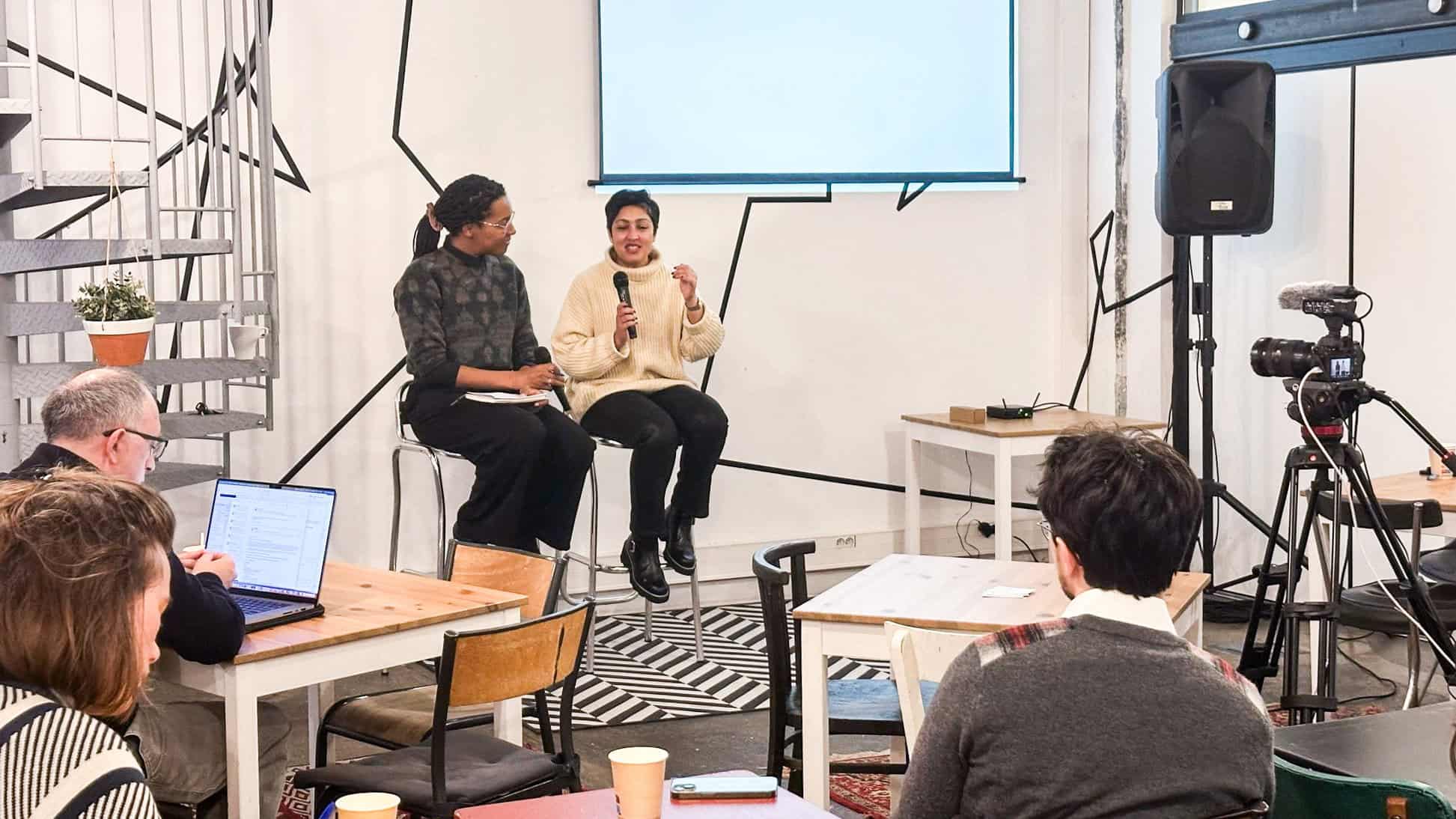
That’s the unvarnished truth Rumman Chowdhury dropped at Paris AI Safety Breakfast #4, braving winter chill for a crowd hungry for straight talk. She’s no stranger to the mess—ran Twitter’s (sorry, X’s) ethics team, now helms Humane Intelligence and Parity Consulting. And boy, does she know where the bodies are buried in algorithmic auditing.
Look, these breakfasts—fourth in a series tied to February’s AI Action Summit—aren’t fluffy TED-style pep rallies. Imane Bello from Future of Life Institute corrals experts to hash out safety for English and French ears. Chowdhury’s session? A masterclass in skepticism, timestamped for your binge-watching pleasure.
What the Hell is Algorithmic Auditing Anyway?
Chowdhury kicks off explaining her gig. “I run a non-profit called Humane Intelligence. The purpose of Humane Intelligence is to create the community of practice around algorithmic assessment.”
One of the things that I have observed over the last few years is there is this growing need for people who can understand the technical implications of how algorithms influence the real world. But that talent is incredibly hard to find. I think some people assume that because you know how to build AI, you know how to assess AI, and that’s simply not true.
Boom. Builder bias delusion, busted. It’s like assuming a chef can inspect the slaughterhouse. Her bias bounty programs—partnering with outfits like Revontulet on terrorist-spotting vision models—crowdsource red-teaming. Public access to poke AI holes? Radical. Smart.
But here’s my unique dig: this echoes the post-Enron era, when bean-counters finally got spines after Sarbanes-Oxley forced audit independence. AI’s barreling toward its own scandals—without Chowdhury-style bounties, we’ll have algorithmic Enrons, black-box disasters regulators chase too late.
Short version? Talent gap’s killing us.
She dives deeper—investigative auditing systematized? Hell yes, but ditch the ad-hoc hacker vibes for structured hunts.
How Easy is Cracking AI Safety Locks?
Persistent hackers? They’ll waltz through mitigations like it’s a screen door.
Chowdhury doesn’t sugarcoat: knowledgeable foes bypass guardrails routinely. Red-teaming exposes this—public versions especially, since real threats lurk in shadows. It’s not paranoia; it’s pattern recognition from years in the trenches.
And the ‘right to repair AI’? Her talk’s a gut-punch. Future models demand user fixes, not vendor lock-in. Imagine proprietary LLMs bricking because OpenAI sneezes—repair rights flip that script, echoing iPhone battles but for silicon brains.
Does Tech Make Us Dumber or Freer?
Convenience trap. Chowdhury nails it: tech dangles ease, breeds overreliance. We need tools boosting learning, not crutches.
Global governance? She proposes firewalls—independent funding, rotating leadership, transparent vetoes—to dodge corporate-government tag-teams. Smells like Brussels sausage-making, but sharper.
Policymakers botch audits daily, she gripes. Misconception numero uno: audits are one-and-done checkboxes. Nope—ongoing, adversarial wars.
Ideal French Summit outcome? Binding audit standards, no opt-outs for Big Tech.
Is Building Agentic AI a Suicide Pact?
Audience Qs get spicy. Agentic systems—AI agents running wild? Benefits tempt, risks loom larger. Chowdhury: pause, audit first.
Incentives for risk mitigation? Liability sticks—make CEOs sweat personal ruin, not just PR spins.
AI vs. cybersecurity? Similar cat-and-mouse, but AI’s opacity amps stakes. Audits hunt failure modes systematically; overreliance? Probe it pre-deployment, she urges.
Critique time. These summits reek of elite circle-jerks—FLI’s noble, but where’s the Global South voice? Chowdhury hints at it, yet the room’s Paris-pale. Bold prediction: without grassroots audits, 2025’s summit flops like COP29—grand words, zero teeth.
Her bounty model? Genius disruptor to lab-coat echo chambers. Corporate PR spin calls audits “burdensome”? Bull. It’s insurance against apocalypse.
Chowdhury’s not doomsaying; she’s arming us. Builders, listen—or crash.
France’s summit looms. Will it mandate her vision? Doubtful. Tech lobby’s greased palms deeper than Seine mud.
But damn, her clarity cuts through hype-fog like a laser.
Why Does Rumman Chowdhury’s Take Matter Now?
Timing’s perfect. Agentic AI hype crests; safety lags. Her red-teaming democratizes defense—public hackers > insider sycophants.
Overreliance risks? Society’s sleepwalking into AI crutches, eroding skills like calculators nuked mental math. Historical parallel: aviation’s black boxes birthed safety revolutions. AI needs its equivalent—open audit boxes.
Mechanisms for governance independence? Multi-stakeholder boards with clawback powers, biennial integrity audits. Capture-proof? As much as humans allow.
Misconceptions she torches: audits aren’t anti-innovation. They’re seatbelts—wear ‘em or wreck.
🧬 Related Insights
- Read more: ECH’s Shadowy Rollout: Privacy’s Best Bet or Bust?
- Read more:
Frequently Asked Questions
What is algorithmic auditing?
Systematic probing of AI for biases, failures, and real-world harms—think red-teaming on steroids, not rubber-stamp checks.
Who is Rumman Chowdhury?
AI ethics pioneer, ex-Twitter/ML ethics director, now Humane Intelligence founder pushing bias bounties and public audits.
What to expect from France AI Safety Summit 2025?
Hopes for binding audit rules, but expect watered-down deals amid Big Tech pushback.
