AI is fundamentally reshaping industries.
This isn’t just another incremental update; it’s a seismic platform shift. We’re talking about building AI systems that can grasp the messy, human-centric reality of conversations, especially in a field as critical as healthcare. And guess what? It’s happening now, powered by some seriously cool tech that’s making complex data retrieval feel almost… poetic.
Conversations as Code? Welcome QQL.
Look, traditional keyword searches in healthcare data are like trying to find a needle in a haystack using a divining rod. It’s clumsy, it’s imprecise, and it often misses the forest for the trees. But what if we could tell our data what we’re looking for in a language that’s both human-readable and machine-executable? That’s the magic of QQL – a SQL-like query language for vector databases. Instead of wrestling with complex SDK code, you declare your intentions. It’s like writing a database migration script, but for the semantic universe of your data. This declarative approach transforms data ingestion into a reproducible, version-controlled workflow, a critical step for any serious AI application, especially one dealing with sensitive medical information.
The architecture kicks off with a trove of patient-doctor conversations from Hugging Face. This isn’t just text; it’s the raw, unfiltered essence of medical interaction. This raw data gets wrangled, not into rigid tables, but into executable QQL scripts. These scripts then feed into Qdrant, a vector database built for the kind of semantic similarity searches that are impossible with old-school methods.
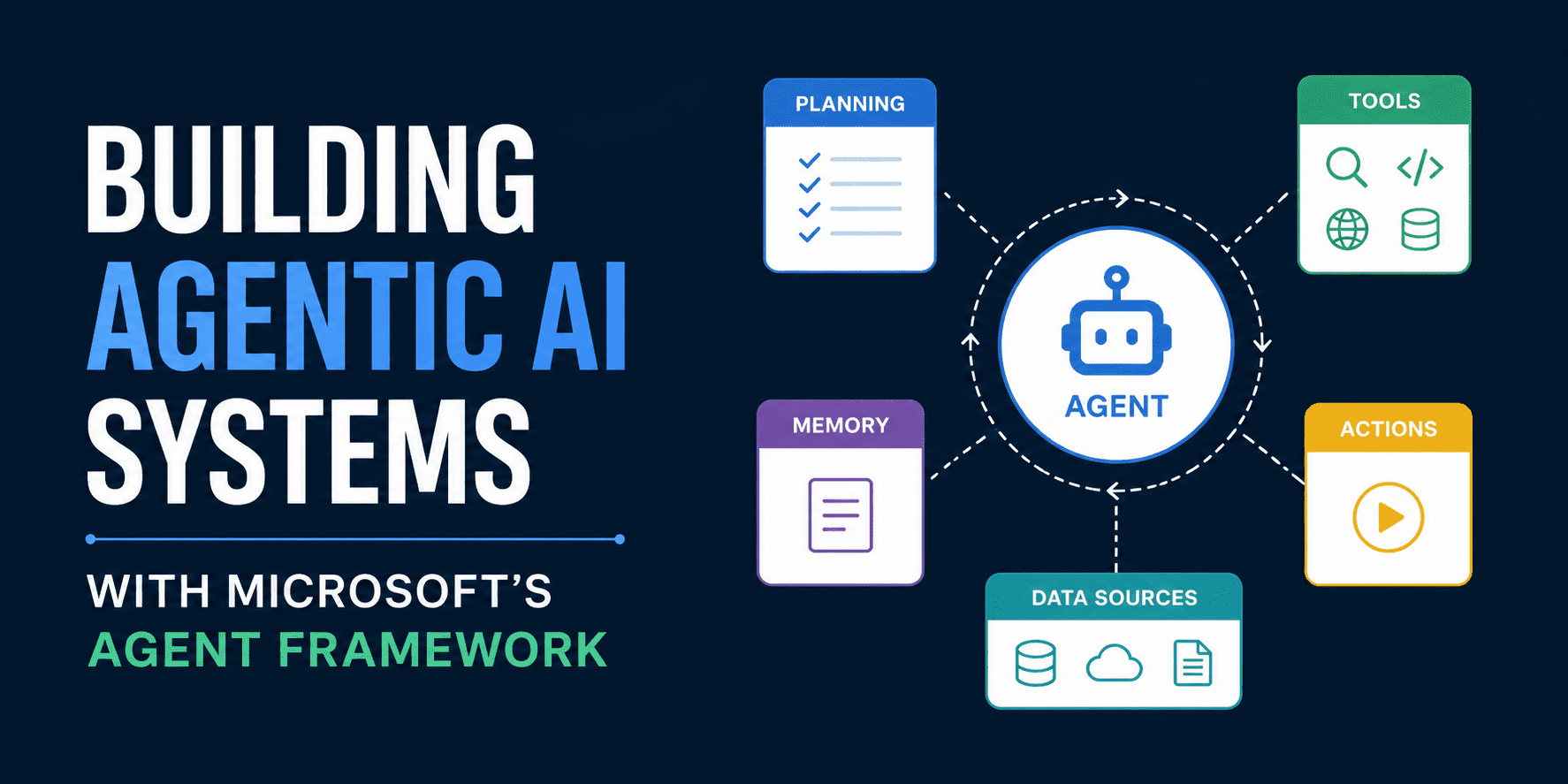
And then, the orchestrator: Agno. This agentic AI layer acts as the brain, taking user queries, translating them into QQL commands, and fetching contextually relevant information. It’s a beautifully layered system where each component does its job with impressive finesse.
Beyond Keywords: The Semantic Deep Dive
Here’s the really exciting part: QQL makes vector database retrieval feel like writing poetry. Forget verbose API calls; QQL lets you express retrieval needs directly. When a patient describes symptoms that are indirect, emotional, or just plain inconsistent – the kind of stuff that baffles keyword search – vector embeddings shine. They capture the meaning, not just the words.
The QQL CLI then takes these scripts and orchestrates the ingestion into Qdrant. Embeddings are automatically generated using sophisticated models, and Qdrant stores both these dense vectors and the accompanying metadata. Qdrant itself is a powerhouse, designed for lightning-fast semantic searches, offering hybrid retrieval, metadata filtering, and that essential HNSW indexing for speed.
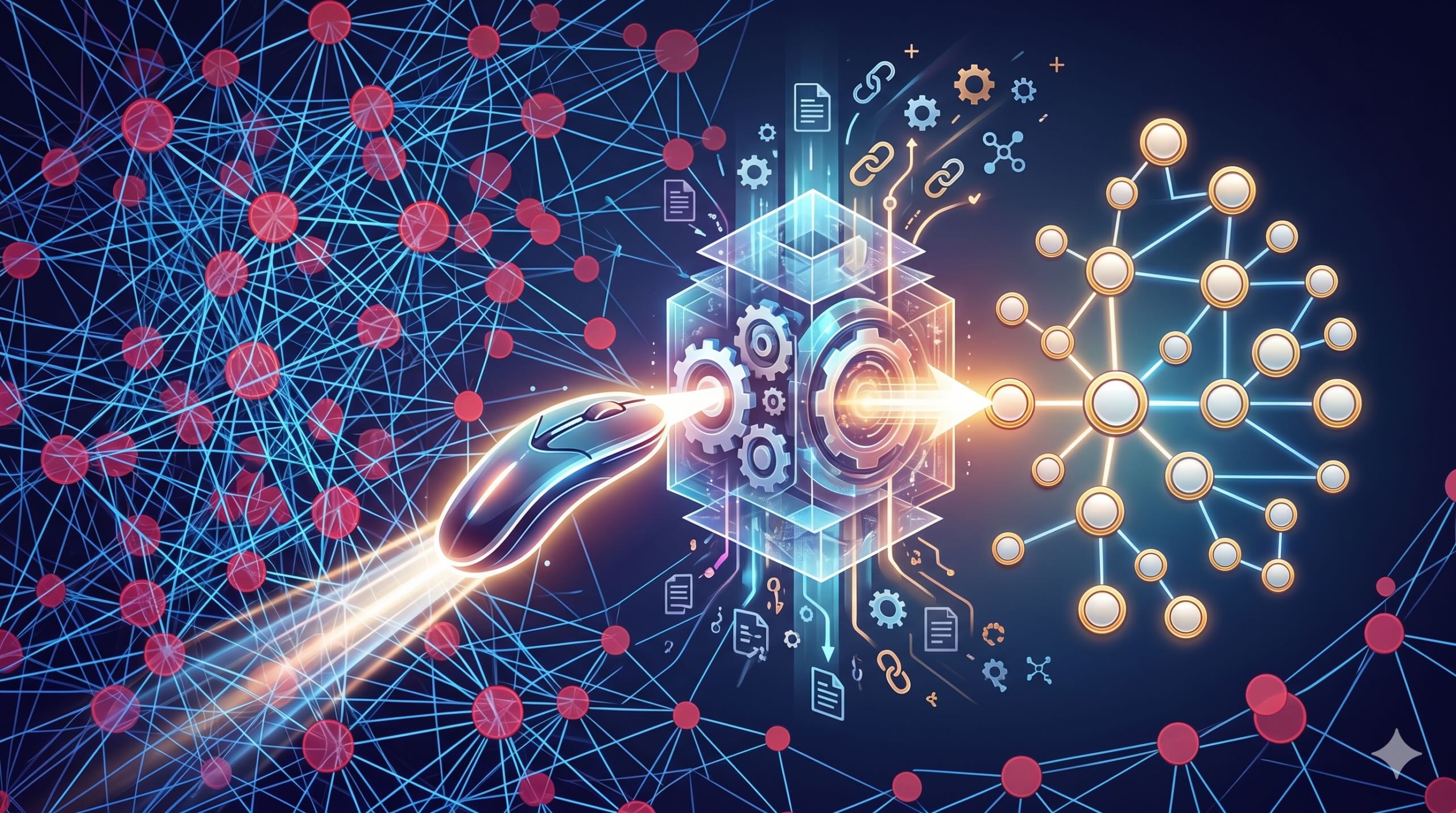
The QQL tool becomes an abstraction layer over vector retrieval. It converts human-readable retrieval instructions into optimized vector search operations.
This layer is where the true intelligence emerges. Imagine asking: “Show conversations where patients complained about chest pain after medication.” A traditional system might choke. But the Agno agent, armed with QQL, translates this into a precise semantic query, leveraging techniques like HNSW tuning for deeper recall and Maximum Marginal Relevance (MMR) reranking to ensure diversity in the retrieved results. No more redundant snippets, just rich, varied context.
This isn’t just about finding information; it’s about generating grounded responses. The retrieved context is fed back into the Agno agent, which then uses it to craft answers that are accurate, relevant, and directly derived from actual patient-doctor interactions. This is Retrieval-Augmented Generation (RAG) in its most potent form – a dynamic augmentation of LLM capabilities with real-world data.
The Agnostic Agent: Orchestrating the Future
The beauty of this architecture lies in its modularity and its agentic core. Agno isn’t just a passive retriever; it’s an active orchestrator. It understands the intent behind a query and can delegate the complex task of semantic search to QQL and Qdrant. This means the system can adapt, evolve, and potentially integrate with other specialized tools.
What’s truly fascinating here is the potential to move beyond mere information retrieval to genuine knowledge synthesis. Think of a doctor using this system not just to recall past cases, but to surface patterns, identify potential drug interactions missed by standard protocols, or even to generate personalized patient education materials that resonate deeply because they’re grounded in relatable scenarios. This is where AI transitions from a tool to a collaborator.
This system is a powerful illustration of how declarative languages, optimized vector databases, and agentic AI are converging to unlock new levels of understanding and application. We’re not just building smarter search engines; we’re building smarter, more contextual AI that can navigate the complexities of human communication. It’s a profoundly exciting time to witness this evolution.
Why Does This Matter for Healthcare?
The implications for healthcare are immense. Imagine diagnostic support systems that can query patient histories with nuanced understanding, or clinical trial recruitment tools that can identify eligible candidates based on subtle conversational cues. The ability to semantically search and retrieve information from vast, unstructured datasets like doctor-patient conversations has the potential to significantly improve patient care, accelerate medical research, and streamline administrative processes. It’s a pathway to making AI a truly integral, and trusted, part of the medical ecosystem.
🧬 Related Insights
- Read more: ENISA’s Secure by Design Playbook: The Engineer-Ready Checklists Reshaping CRA Compliance
- Read more: I Containerized 5 Monoliths for EKS – The Messy Truth Tutorials Hide
Frequently Asked Questions
What does QQL stand for? QQL is a query language designed for vector databases, allowing for declarative, SQL-like retrieval. It’s not an acronym.
Will this replace doctors? No, this system is designed to augment the capabilities of healthcare professionals, providing them with faster access to relevant information and insights, rather than replacing human expertise and judgment.
How does Agno help? Agno acts as an agentic orchestrator, translating user queries into executable commands for QQL and Qdrant, and then using the retrieved information to generate grounded responses.