The private markets are having a moment, and it’s getting weird. While most of tech watches venture funding rounds and IPO pipelines, something stranger is happening in the secondary market—that shadowy realm where people actually trade shares in private companies that aren’t (yet) public. Glen Anderson, president of Rainmaker Securities, has been watching this corner of finance for nearly 15 years, and he’s seeing a story nobody expected: Anthropic is having its moment, OpenAI is cooling, and SpaceX might be playing chess while everyone else plays checkers.
Here’s the thing: everyone thought AI was a two-horse race. OpenAI had the head start, the brand, Sam Altman’s celebrity. Anthropic had the smart people and some philosophical differences. But in the private markets—where institutional investors actually put serious money—the narrative has flipped in ways that matter.
What’s Happening in the Shadows of Silicon Valley
Anderson has a vantage point few people possess. Rainmaker Securities facilitates trades in roughly 1,000 private stocks. On any given day, Anderson can see what investors actually want to buy versus what they’re desperately trying to unload. Right now, the asymmetry is striking.
“The hardest stock to source in our marketplace is Anthropic. There’s just no sellers.”
That’s not hype. That’s a quote from someone whose job depends on matching buyers and sellers. When there are no sellers, it means investors believe the upside is still enormous. Meanwhile, institutional investors are sitting on roughly $600 million in OpenAI shares they can’t move. Two billion dollars are supposedly ready to chase Anthropic. The math is ugly if you own OpenAI in this moment.
But here’s where Anderson’s analysis gets interesting—and where most of the hot takes miss the real story.
Why Did Anthropic Suddenly Win the Narrative?
Part of this is about perception. Anthropic’s very public standoff with the Department of Defense—a situation that initially looked like it could sink the company—actually became a massive PR gift. Investors rallied around the company as a scrappy underdog taking on the government. It’s a narrative that sells. It’s also a narrative that made Anthropic feel genuinely differentiated from OpenAI in a way that pure technical benchmarks never could.
“The app got more popular, people rallied around the company as kind of a hero, taking on big government,” Anderson explained. “I think it amplified the story and made it even more differentiated from OpenAI.”
That’s the architecture of the shift. It’s not that Anthropic’s model suddenly became better. It’s that the story became better. And in private markets, where information is sparse and narratives are currency, story matters as much as substance. Investors still can’t agree on which AI model will ultimately dominate. But they can read a room, and right now the room is bullish on Anthropic and cautious on OpenAI.
OpenAI isn’t crashing. Anderson is careful to push back on the binary interpretation. But the vibrance is gone. When Goldman Sachs can charge 15% to 20% carry fees on Anthropic exposure while major banks are offering OpenAI shares to high-net-worth clients with no fees, you’re not looking at a tie.
Is OpenAI Actually Losing, or Just Consolidating?
OpenAI is trying to manage its own secondary market narrative. The company has essentially warned investors to be careful about brokers offering access to OpenAI equity, establishing what it calls “authorized channels” through banks. Translation: OpenAI doesn’t want brokers like Rainmaker taking a cut. But here’s the wrinkle—the company established these channels partly because it lost control of the pricing story.
OpenAI’s shares are trading on the secondary market at valuations that imply the company is worth $765 billion, according to Anderson’s read of Bloomberg’s reporting. That’s a meaningful discount to the company’s newest primary round valuation of $852 billion. When your secondary market price undershoots your primary market price, you have a credibility problem. Investors are saying your last fundraise was too rich.
Anderson notes that many institutions still want exposure to both companies. Diversification matters. But momentum has its own gravity in private markets, and right now momentum is flowing toward Anthropic.
The Wild Card Nobody’s Talking About
Then there’s SpaceX.
Anderson describes SpaceX as one of the only names in Rainmaker’s entire universe that never experienced the brutal correction that decimated private company valuations between 2022 and 2024. While most private companies saw their shares tank 60% to 70% from peak to trough, SpaceX just kept moving “up and to the right,” in Anderson’s phrase. That’s not normal. That’s not even good fundamentals—that’s institutional conviction meeting consistent execution.
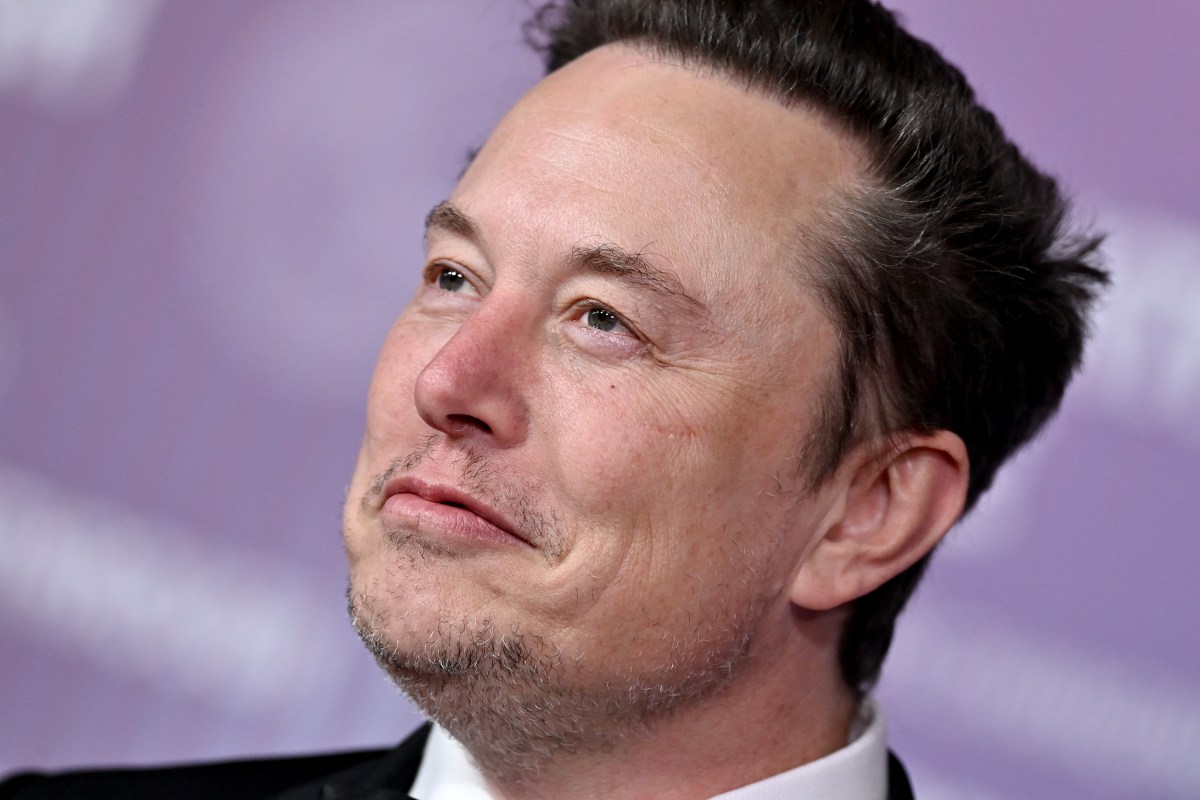
Why does this matter for the AI narrative? Because it suggests SpaceX might be attracting the kind of long-term capital that Anthropic and OpenAI are still fighting over in the secondary market. SpaceX doesn’t need secondary market fervor. The company has access to patient capital and a CEO (Elon Musk) who doesn’t need to convince Wall Street of anything. Anthropic and OpenAI, by contrast, are still in the phase where they’re dependent on investor sentiment to justify their valuations and attract new capital.
That’s a structural disadvantage that nobody’s discussing. In a few years, if AI commoditizes faster than anyone expects, the company that can fund itself through operations—or through a billionaire’s personal fortune—will have won the game everyone else is playing in secondary markets.
What This Actually Means
The private markets are sending a clear signal: Anthropic has momentum, OpenAI is consolidating, and SpaceX is playing a different game entirely. For investors trying to pick winners in AI, the secondary market is saying that diversification was never the real answer. The narrative has shifted toward conviction plays.
But narratives shift. Markets correct. And in a year, when the next funding round hits or the first significant technical breakthrough belongs to OpenAI again, all of this fervor could reverse. What Anderson is documenting right now is not a final judgment. It’s a moment. An important one, sure. But a moment nonetheless—and moments in private markets have a way of disappearing the second attention moves elsewhere.
The real question isn’t whether Anthropic will “win” or OpenAI will “lose.” It’s whether the companies can keep justifying their valuations when all the easy growth narratives have already played out. SpaceX’s consistent ascent suggests one answer: patient capital and disciplined execution beat momentum every time.
🧬 Related Insights
- Read more: Arab Spring’s Digital Spark Snuffed Out: Activists Pay the Price
- Read more: Could You Be the AI Sheriff Europe Needs? Inside the EU AI Office’s Urgent Hiring Spree
Frequently Asked Questions
Is Anthropic actually better than OpenAI? Not necessarily. The secondary market is reacting to narrative momentum and recent events (the DoD standoff), not necessarily to technical superiority. Model performance is still hotly debated. What’s shifted is investor perception, which is different from actual capability.
Why are OpenAI shares trading below their valuation? When secondary market prices dip below primary round valuations, it signals that investors think the last fundraise was too rich. It doesn’t mean the company is worthless—just that the asking price outpaced belief in the underlying value growth.
Could SpaceX’s quiet dominance in private markets matter for AI? Possibly. It suggests that long-term, patient capital and disciplined execution (SpaceX’s approach) might win over hype cycles and secondary market fervor. If AI development remains extremely capital-intensive, companies with deep-pocketed founders might outlast those dependent on venture sentiment.
