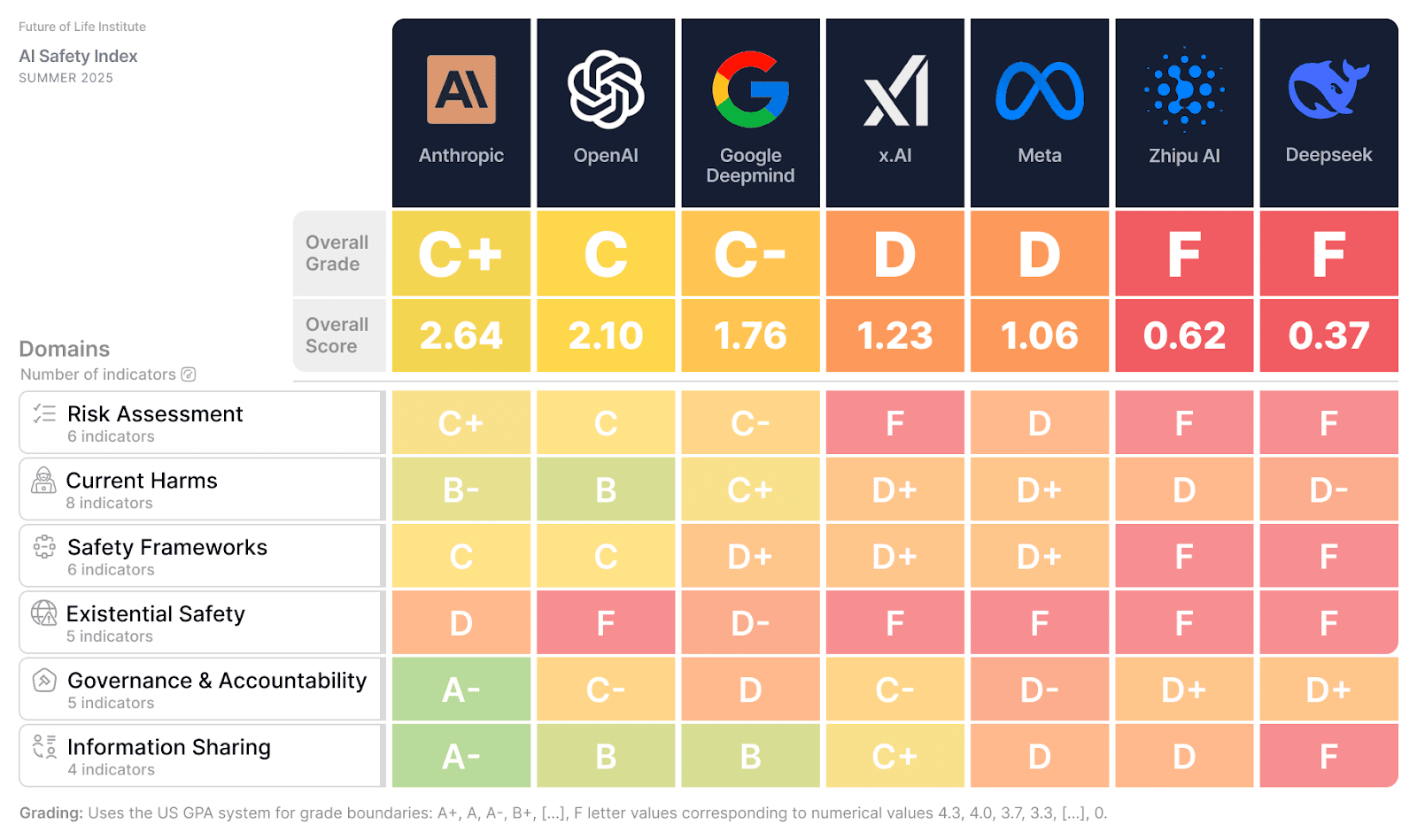
As artificial intelligence systems make increasingly consequential decisions about hiring, lending, healthcare, criminal justice, and content moderation, the need for robust ethical frameworks has moved from academic discussion to operational imperative. Organizations deploying AI face real risks: discriminatory outcomes, privacy violations, lack of accountability, and erosion of public trust.
This guide examines the major AI ethics frameworks, their core principles, and practical approaches for implementing responsible AI practices.
Why AI Ethics Frameworks Matter
AI systems can cause harm at unprecedented scale and speed. A biased hiring algorithm can discriminate against thousands of candidates before anyone notices. A facial recognition system with higher error rates for certain demographics can lead to wrongful arrests. A content recommendation algorithm optimizing for engagement can amplify misinformation to millions.
Ethics frameworks provide structured approaches for identifying, preventing, and mitigating these harms. They translate abstract moral principles into concrete practices that engineering teams can implement.
Beyond moral obligation, there are practical motivations. Regulatory requirements like the EU AI Act impose legal obligations for risk assessment, transparency, and human oversight. Customers and partners increasingly demand evidence of responsible AI practices. And ethical failures carry significant reputational and financial consequences.
Core Principles Across Frameworks
While specific frameworks differ in emphasis and structure, a set of core principles appears consistently across major frameworks from organizations including the OECD, IEEE, the EU, and leading AI companies.
Fairness and Non-Discrimination
AI systems should not produce discriminatory outcomes based on protected characteristics like race, gender, age, or disability. This principle sounds straightforward but is technically complex.
Fairness has multiple mathematical definitions that can be mutually incompatible:
- Demographic parity: The system's positive outcome rate is equal across groups.
- Equalized odds: The system's true positive and false positive rates are equal across groups.
- Individual fairness: Similar individuals receive similar outcomes regardless of group membership.
No single definition of fairness is universally correct. The appropriate definition depends on the context, the nature of the decision, and the specific harms you are trying to prevent. Practitioners must make explicit choices about which fairness criteria to optimize for and document the reasoning behind those choices.
Transparency and Explainability
People affected by AI decisions should be able to understand how those decisions were made. This principle operates at multiple levels:
- System-level transparency: Disclosing that AI is being used, what data it processes, and how it influences decisions.
- Model-level explainability: Providing interpretable explanations for individual decisions. Techniques like SHAP values, LIME, and attention visualization can generate post-hoc explanations for complex models.
- Process-level documentation: Maintaining records of design decisions, training data choices, evaluation results, and known limitations.
The level of explainability required varies by context. A music recommendation needs less explanation than a loan denial or a medical diagnosis.
Accountability
Clear lines of responsibility must exist for AI system outcomes. This requires:
- Defining who is responsible for monitoring system performance and addressing failures.
- Establishing escalation procedures for when systems produce unexpected or harmful results.
- Maintaining audit trails that enable after-the-fact investigation of decisions.
- Implementing feedback mechanisms that allow affected individuals to challenge decisions.
Accountability is particularly challenging for AI because the distributed nature of AI development (data collectors, model trainers, system integrators, deployers) can diffuse responsibility. Effective frameworks assign specific accountability at each stage.
Privacy and Data Protection
AI systems often require large amounts of data, including personal data, creating privacy risks:
- Data minimization: Collect and retain only the data necessary for the system's purpose.
- Purpose limitation: Use data only for the purposes for which it was collected, with appropriate consent.
- Security: Protect data against unauthorized access, both in storage and during model training.
- Inference privacy: Prevent the model from memorizing and revealing individual training examples, a known risk with large language models.
Techniques like differential privacy, federated learning, and data anonymization can mitigate privacy risks, but each introduces trade-offs with model performance.
Safety and Robustness
AI systems should operate safely and reliably across their intended operating conditions and fail gracefully outside them:
- Systems should be tested against adversarial inputs designed to cause failures.
- Performance should be monitored continuously in production, not just evaluated at deployment time.
- Fallback mechanisms should exist for when the AI system fails or produces low-confidence results.
- Critical applications should maintain human oversight and the ability to override AI decisions.
Major Frameworks in Practice
The EU AI Act
The world's most comprehensive AI regulation classifies AI systems by risk level: unacceptable risk (banned), high risk (strict requirements), limited risk (transparency obligations), and minimal risk (no requirements). High-risk applications like hiring, credit scoring, and law enforcement must meet requirements for risk management, data governance, transparency, human oversight, and accuracy.
The OECD AI Principles
Adopted by over 40 countries, the OECD principles emphasize inclusive growth, human-centered values, transparency, robustness, and accountability. They have influenced national AI strategies worldwide and provide a common reference point for international AI governance discussions.
The NIST AI Risk Management Framework
The U.S. National Institute of Standards and Technology's framework provides a structured approach to identifying, assessing, and managing AI risks. It organizes activities around four functions: govern, map, measure, and manage. Unlike the EU AI Act, it is voluntary, but it is increasingly referenced in U.S. government procurement requirements.
IEEE Ethically Aligned Design
IEEE's framework focuses on embedding ethical considerations into the engineering process. It provides specific recommendations for technical practitioners, covering topics like algorithmic bias, transparency, data agency, and the impact of autonomous systems on employment.
Implementing Ethics in Practice
Frameworks are only useful if they translate into action. Effective implementation requires:
Organizational Structures
- Establish an AI ethics review board or committee with cross-functional membership including technical, legal, and domain experts.
- Integrate ethical review into the AI development lifecycle, not as an afterthought but as a stage-gate requirement.
- Create clear channels for employees to raise ethical concerns without fear of retaliation.
Technical Practices
- Audit training data for representation biases and gaps before model development begins.
- Evaluate model performance across demographic subgroups, not just in aggregate.
- Implement monitoring systems that detect performance degradation or bias drift in production.
- Document model cards and datasheets that describe model capabilities, limitations, and appropriate use cases.
Impact Assessment
- Conduct pre-deployment impact assessments that identify potential harms and affected populations.
- Engage with stakeholders, including potentially affected communities, during the design process.
- Establish mechanisms for ongoing monitoring and periodic reassessment as the system and its context evolve.
The Path Forward
AI ethics is not a problem to be solved once but an ongoing practice. As AI capabilities expand and deployment contexts multiply, new ethical challenges will continue to emerge. Organizations that build robust ethical infrastructure now, including governance structures, technical tools, and cultural norms around responsible development, will be better positioned to navigate these challenges and maintain the trust of their users and the broader public.
The most effective approach combines top-down governance with bottom-up engineering practices: leadership commitment to ethical principles, supported by practical tools and processes that make responsible development the default rather than the exception.