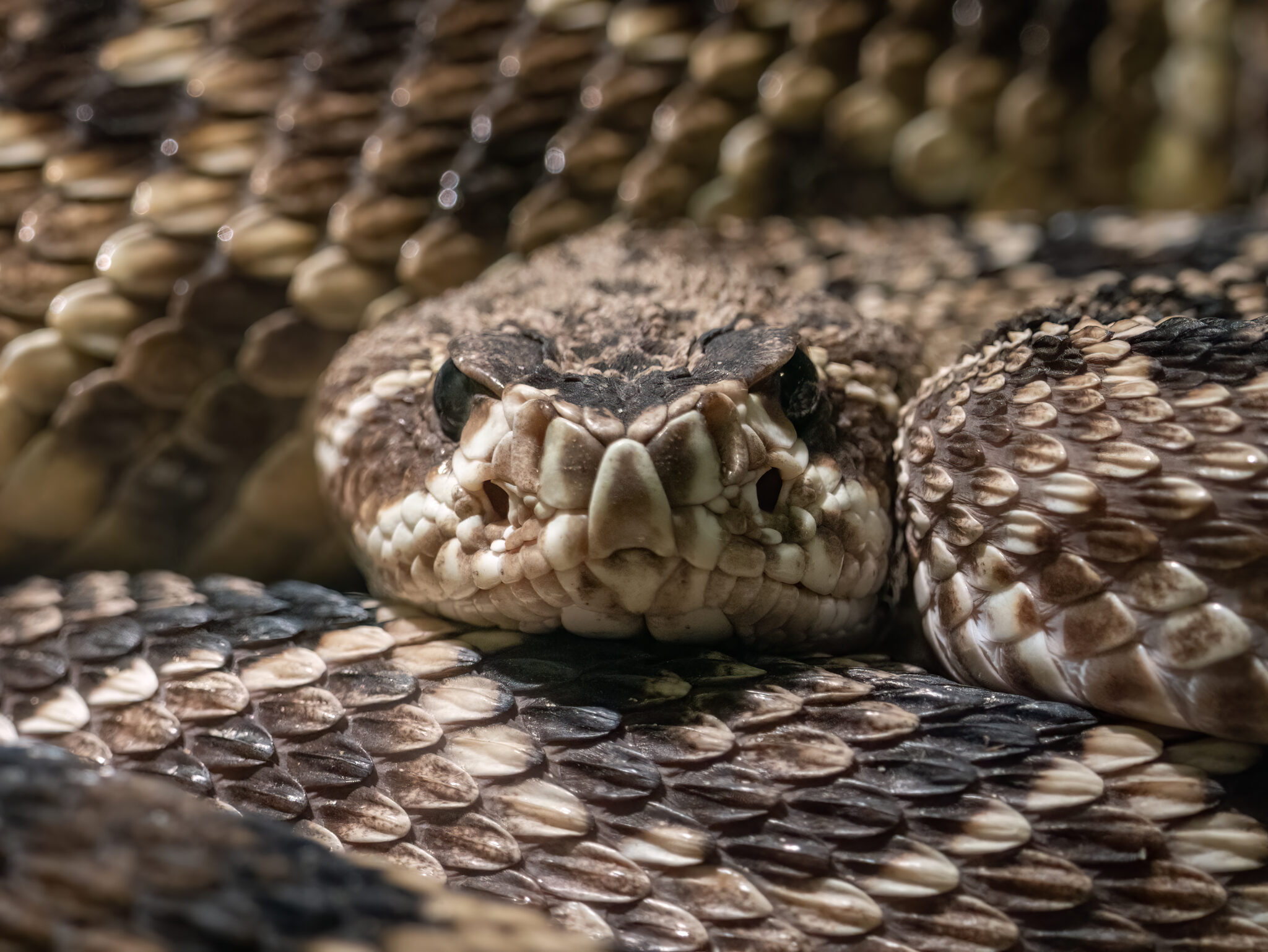
AI proteins devour snake venom.
Picture this: a farmer in rural Kenya steps on a black mamba. Minutes later, paralysis creeps in, neurotoxins racing through his veins like saboteurs on a deadline. No fridge-chilled antivenom in sight—it’s too pricey, too fragile. But now? AI’s whipped up synthetic proteins that latch onto those killers, neutralizing them in lab mice with near-perfect survival. We’re talking a platform shift, folks—like electricity remaking factories, AI’s redesigning biology from the atom up.
Why Snakebites Still Kill 100,000 Yearly?
Every year, venomous snakes claim over 100,000 lives, maim 300,000 more. Amputations. Paralysis. Kids in South Asia herding goats, herders in sub-Saharan Africa—folks miles from clinics. It’s not just death; it’s poverty’s vicious cycle. Treatment? Stuck in 1900s tech: horse or sheep blood, hyper-immunized, extracted. Expensive. Unstable. Often misses the mark on elapid venoms, those three-finger toxins (3FTx) that shut down nerves cold.
And here’s the kicker—the victims can’t pay hundreds per dose or trek to a fridge with power.
Susana Vázquez Torres, in David Baker’s legendary UW lab (you know, the Nobel guy folding proteins like origami), flipped the script. Using AI—NVIDIA’s Ampere GPUs crunching RFdiffusion and ProteinMPNN—they generated millions of protein candidates in silico. No snake-milking marathons. Weeks, not years.
“Newly designed proteins bound tightly to three-finger toxins (3FTx), the deadliest components of elapid venom, effectively neutralizing their toxic effects.”
That’s straight from their Nature paper. Mice got lethal doses? 80-100% survived. These proteins? Tiny. Heat-proof. Brewable in factories, no cold chain drama.
Can AI Proteins Actually Replace Antivenoms?
Hell yes—or at least, they’re the prototype for it. Traditional stuff needs animals, ethics headaches, batch inconsistencies. AI? Predicts bindings, iterates designs like a video game level-up. Torres’s team nailed stability tests; these molecules don’t flop in heat like old serums.
But let’s pump the brakes a sec (unique insight incoming): this isn’t just venom-fix. It’s the Rosetta Stone for AI pharma. Remember penicillin? Fleming’s moldy dish lucked out in 1928. Now, AI’s the deliberate wizard—designing bespoke binders for any toxin, virus, even cancer markers. Bold prediction: within a decade, we’ll see AI proteins as the mRNA vaccines of everything else. COVID accelerated shots; this accelerates cures for the neglected.
Corporate hype? Nah, Baker’s lab delivers—over 100 designed proteins in clinics already. Skeptics might whine about ‘lab to life’ jumps, but mouse survival screams promise.
Look. Scale this. Mass-produce at pennies per dose. Ship to villages in foil packs. Farmers back to fields, kids to school. Economic black hole? Plugged.
Beyond bites, it’s viral hunters next—custom spikes for flu strains morphing yearly. Autoimmune? Proteins that hug rogue antibodies goodbye. The Baker crew’s partnering with Denmark, Colorado, Liverpool tropical med folks—clinical trials loom.
Energy here? Electric. AI isn’t tinkering; it’s platform-shifting medicine from animal guesses to atomic code. Like smartphones obsoleted flip-phones, these proteins trash trial-and-error drug dev.
One hitch—regulatory mazes. FDA loves animal-derived safety nets. But data’s king; if human trials shine, watch barriers crumble.
The Real Venom: Accessibility Gaps
In Latin America, India, Africa—snakes thrive where docs don’t. Delay kills; cost cripples families. AI proteins? Shelf-stable soldiers, deployable anywhere. Cheaper manufacturing means philanthropists or generics flood markets.
Imagine: drone-dropped vials to remote huts. No more “economic catastrophe,” as the original research nails it.
This mirrors computing’s arc—from room-sized beasts to pocket gods. Proteins go pocket lifesavers.
🧬 Related Insights
- Read more: Attention Variants Mapped: Efficiency Wars in LLMs
- Read more: NXP’s Blueprint: Squishing Robot AI Brains into Phone-Sized Chips
Frequently Asked Questions
What are AI-designed proteins for snake venom?
They’re synthetic molecules, created via deep learning like RFdiffusion, that bind and neutralize deadly toxins such as 3FTx from mambas and cobras—tested to save mice from lethal doses.
How effective is this new antivenom tech?
Lab and animal tests show 80-100% survival against neurotoxins; stable, heat-resistant, and manufacturable at low cost without refrigeration—far better than traditional animal-derived serums.
Will AI proteins end snakebite deaths?
Not overnight—clinical trials needed—but if scaled, they could slash the 100K annual deaths by making treatment cheap, stable, and reachable for rural poor.