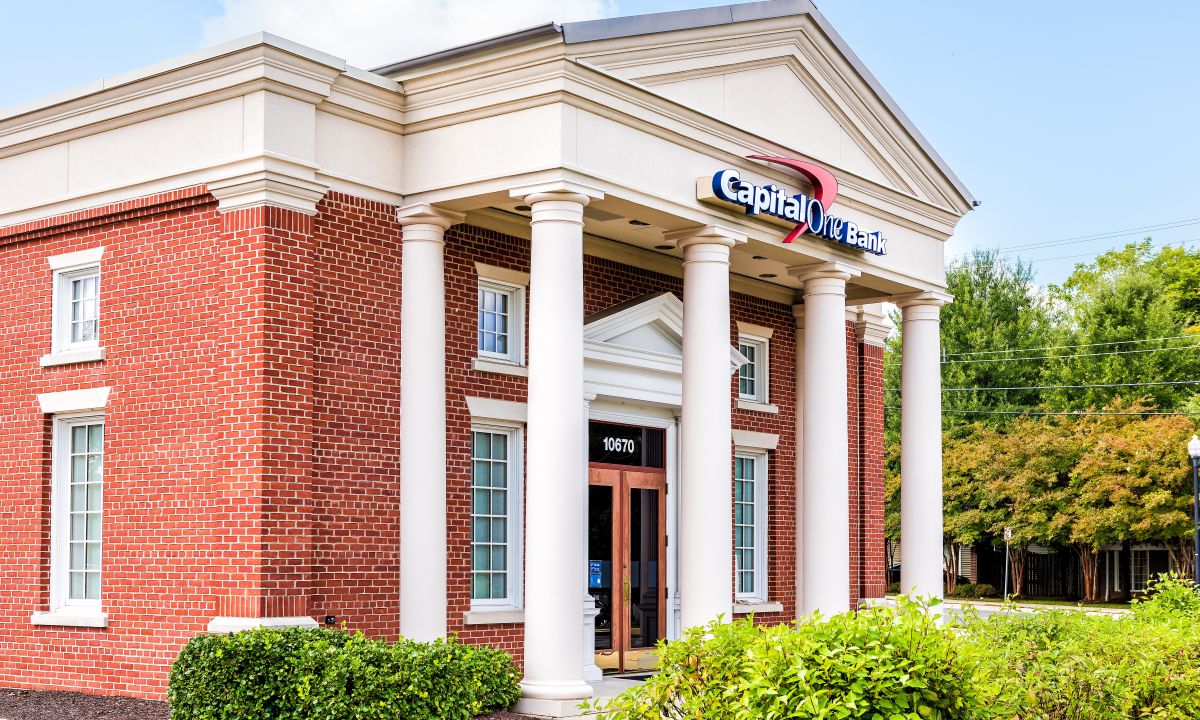
41 bank branches. That’s how many U.S. lenders flagged for closure in Q1 2025 alone, up from 39 the year before.
Ohio leads the pack with six. Texas trails with four. South Dakota, Delaware, Illinois, Florida—each nursing three wounds. It’s not random; it’s mergers carving out redundancies.
S&P Global data backs it: deals surged last year, and they’re not slowing. When banks swallow each other, overlapping footprints get pruned. Ruthlessly.
David Danielson, managing director at Wolf & Company, nails it:
“When overlapping branches close to reduce costs, customers who rely on in‑person banking feel that change immediately.”
Feel it? Rural folks do—first. Those spots serve the same dusty towns, so one survives, the other shutters. Savings realized; loyalty? Shattered.
Why Rural America Bears the Brunt
Here’s the architecture shift: mergers aren’t just balance-sheet tweaks. They’re redesigns for a digital-first world. Non-banks—think Chime, SoFi—nibble at edges with zero branches, infinite apps. Traditional lenders? They’re slashing 15% of U.S. branches since 2015, per Statista.
But rural? No broadband ubiquity. No app-savvy grandparents depositing Social Security checks via swipe. Closures there aren’t efficiency; they’re abandonment. And regulators? They’re watching, but not fast enough.
Look at the map. Ohio’s farm country. Texas panhandle. South Dakota plains. Mergers overlap precisely where digital alternatives lag—ironically fueling the very cost pressures closing doors.
It’s a feedback loop. Banks merge to bulk up against fintech giants, then rationalize footprints in places least equipped to pivot. Genius? Or shortsighted?
Why Are Banks Closing So Many Branches in 2025?
Blame the kids. Gen Z doesn’t bank; they “fintech.” PYMNTS Intelligence pegs 13.8% of consumers at digital-only primaries. They crave apps blending payments with TikTok scrolls and Uber Eats.
“That pattern does not reflect a preference for banks in the traditional sense,” PYMNTS wrote recently. “It reflects a preference for integrated digital environments where payments, savings and spending sit within the same interface.”
Boom. Branches? Relics. Demand evaporates as under-30s shun lobbies for smoothly stacks. Lenders chase deposits digitally, leaving marble halls empty.
Competition bites harder. Fintechs scale without real estate drag. Banks counter with cuts—15% gone in a decade. Q1’s 41? Just the tick up as mergers hit stride.
My take: this echoes Sears in the ’90s. Department stores clung to malls as Walmart supercenters and Amazon URLs eroded traffic. Banks now? Same denial—merging for scale, ignoring that scale’s digital-native.
Prediction: by 2030, rural branches halve again. Unless broadband explodes or nostalgia surges (unlikely), mergers become branch euthanasia.
Ohio’s six closures? Test case. Watch deposit flight to credit unions or—gasp—crypto wallets for the unbanked.
Who’s Actually Expanding Branches?
Not everyone’s retreating. JPMorgan Chase? Dropping 160 new spots this year, eyeing 500+ in three. Wealthy urbanites want face-time for trusts, not teller chit-chat.
Truist? 100 fresh branches, 300 renos last summer. Targeting high-net-worth in metros. Smart—branches as luxury signals, not mass-market necessities.
Here’s the fork: mass-market branches die; premium ones thrive. Architecture bifurcates. Digital for the masses, bespoke brass for the rich. Mergers accelerate this split, closing rural overlaps while elites get polished oak.
Skeptical? Chase’s pledge smells like PR spin amid broader cuts. They’re not expanding everywhere—just where margins fatten. Rural? Crickets.
The Hidden Cost of Digital Domination
Customers revolt quietly. In-person loyalists—elderly, low-tech—face treks or ATM hunts. Fees creep up on digital migrants. Communities fray without local cash hubs.
Fintech wins, sure. But at what fracture? Regulators eye antitrust in mergers, yet ignore access deserts forming.
Unique angle: this mirrors ’80s S&L crisis, but inverted. Then, branches ballooned pre-crash; now, they’re contracting into digital voids. History whispers: don’t overconsolidate when trust’s the product.
Bold call—fintech pure-plays acquire shuttered branch portfolios cheap, retool as hybrid hubs. Watch for it.
Data doesn’t lie. Trends compound. Branches? From 100k+ in 2000 to under 80k now. Mergers just the accelerator.
🧬 Related Insights
- Read more: Stripe and Coinbase Alumni Bet $8M on Latitude to Fix Cross-Border Chaos with Stablecoins
- Read more: Nishad Singh’s $3.7M FTX Bill: Ban Hammer Drops, But Mercy Flows
Frequently Asked Questions
Why are so many bank branches closing in 2025?
Mergers create overlaps, especially rural, prompting cost cuts. Digital banking demand from younger users adds pressure—15% of branches gone since 2015.
Which states have the most bank branch closures?
Ohio tops Q1 with six; Texas four; South Dakota, Delaware, Illinois, Florida at three each.
Will physical bank branches disappear completely?
Unlikely soon—premium urban ones expand for wealthy clients. But rural and mass-market? Expect sharp declines as digital takes over.
