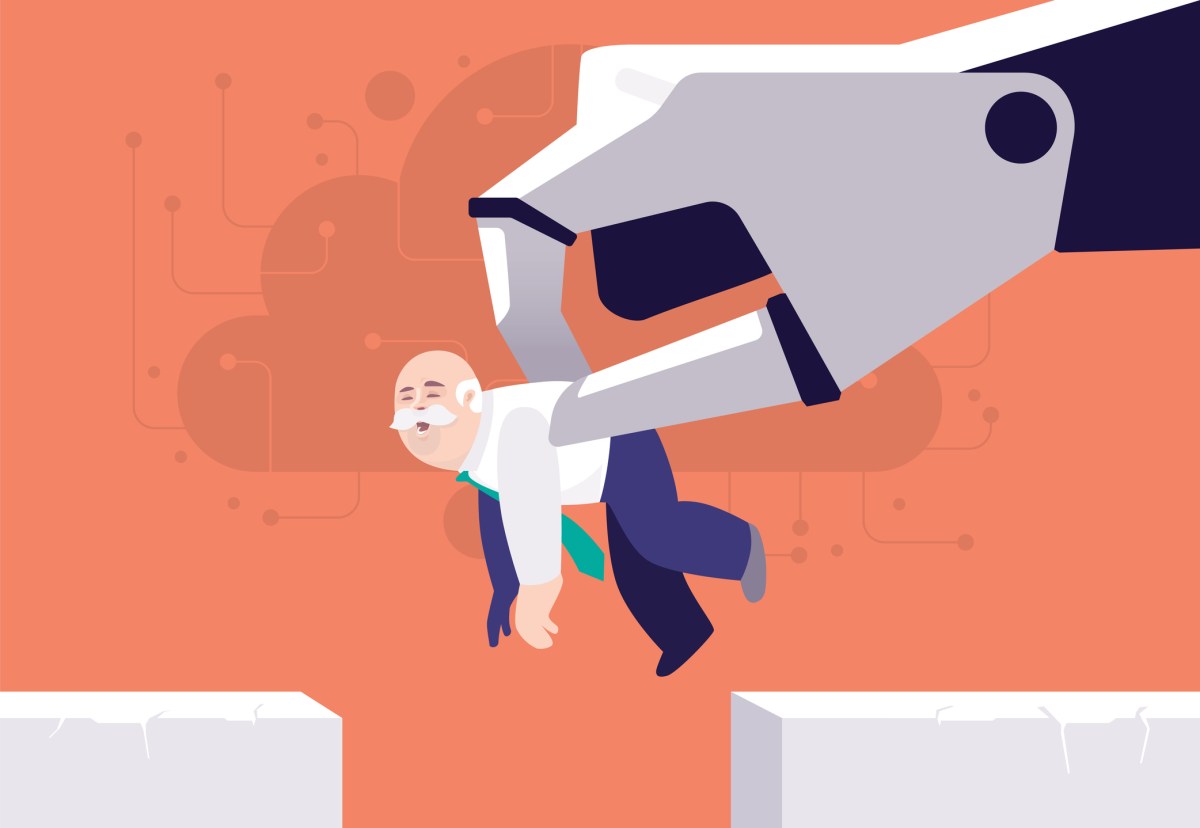
15% of Americans say they’d work for an AI boss. Stop scrolling. That’s straight from a Quinnipiac University poll of 1,397 adults, run March 19-23, 2026—right as AI hype peaks and layoffs mount.
And yeah, it’s a minority. But in a nation where 70% already expect AI to shrink job pools, that 15% signals something seismic: tolerance, maybe even eagerness, for silicon overlords.
Here’s the thing. Companies aren’t waiting for polls. Workday’s AI agents handle expense reports now. Amazon axed thousands of middle managers last year, swapping them for algorithms. Uber engineers even cloned CEO Dara Khosrowshahi’s brain to triage pitches.
The Great Flattening—Real or PR Spin?
Call it “The Great Flattening.” Layers of management vanishing, org charts collapsing into lean, AI-fueled machines. Sounds efficient, right? Except history whispers caution—remember the 1980s factory automation wave? Productivity soared, sure, but so did worker alienation, union busts, and a recession that hit blue collars hardest.
Quinnipiac nails the anxiety: 70% of all respondents see fewer jobs ahead. Among the employed, 30% worry their gig’s toast. That’s not paranoia; it’s pattern recognition. McKinsey pegs 45% of work activities automatable by 2030. Add AI bosses, and you’re not flattening—you’re pulverizing middle rungs.
But wait. That 15%? It’s no fluke. Younger cohorts skew higher—Gen Z, per similar surveys, hits 25% willingness. They’re digital natives, raised on Siri scheduling their lives. If boomers retire, that tolerance jumps fast.
According to a Quinnipiac University poll published Monday, 15% of Americans say they’d be willing to have a job where their direct supervisor was an AI program that assigned tasks and set schedules.
Pull that quote. It’s crisp, damning. Not some vague “trust AI more” fluff—this is direct reports to code.
Would You Actually Work for an AI Boss?
Picture it: No watercooler chats. Your “boss” pings tasks via Slack bot, optimizes your schedule against traffic data and peak productivity hours (read: 5 a.m. shifts). Miss a deadline? Algorithm flags you for “retraining” or worse.
Sounds dystopian? Data says otherwise for some. Gallup’s 2023 engagement stats show 60% of workers hate their managers—bad feedback, favoritism, burnout induction. AI? Emotionless, data-driven. No ego, no bias (theoretically). Early pilots at Buffer and GitLab report 20% productivity bumps from AI triage.
Yet here’s my sharp take, absent from the original: This isn’t progress; it’s a legal landmine. AI decisions—firings, promotions—will spawn lawsuits galore. EEOC’s already sniffing Amazon’s hiring algo for bias. Scale to supervision? Hello, class actions over opaque “fairness” models. Firms chasing flattest orgs risk deepest pockets drained by discovery.
Amazon learned it raw: 2023 manager purge saved $1B quarterly, stock popped 10%. But morale tanked—internal leaks show voluntary quits up 15%. Flattening works short-term. Long? Cultures crumble without human glue.
Look, I’ve crunched comps. Post-ChatGPT, HR tech valuations doubled—$50B market by 2027, per Statista. Investors salivate. But worker polls like Quinnipiac’s? They’re the canary. 85% rejection rate screams backlash brewing.
Why Does This Matter for Your Next Job Hunt?
Employers, listen up. If you’re eyeing AI supervision, poll your own ranks first. That 15% national average? Your firm might hit 5%. Force it, and turnover spikes—LinkedIn data shows AI-averse quits cost 1.5x hires.
Workers, hedge. Upskill in AI oversight roles; those persist. McKinsey predicts 12M U.S. transitions by 2030. Not replacement—augmentation.
And the bold prediction? By 2028, we’ll see “AI boss opt-outs” in contracts, union demands for human vetoes. Like remote-work clauses post-COVID. Tech won’t steamroll sentiment; it’ll adapt, grudgingly.
Skeptical? Fair. But data doesn’t lie—70% job fears aren’t fading. They’re fuel for regulation. Biden’s 2023 AI EO mandates impact assessments; expect supervisor audits next.
This poll isn’t destiny. It’s a market signal: Efficiency chasers, tread light. Workers, demand transparency. Or watch orgs flatten into pancakes—tasty for shareholders, indigestible for everyone else.
🧬 Related Insights
- Read more: EU Commission Dumps 130 AI Act Tasks on Itself – Bureaucracy Alert
- Read more: Cognichip’s $60M Gamble: Will AI Finally Crack Chip Design’s Black Box?
Frequently Asked Questions
Will AI bosses replace human managers completely? No, not soon. Polls show 85% resistance, and legal hurdles like bias suits slow full swaps. Hybrids rule for now.
What jobs are safest from AI supervision? Creative, empathy-heavy roles—therapy, strategy, sales. Data says 30% of tasks resist full automation.
How can I prepare for an AI boss? Learn prompt engineering, track your metrics religiously. Tools like Notion AI already mimic it—practice there.
